🥬 Eggs
Eggs are a nutritional powerhouse and one of the most versatile ingredients in low FODMAP cooking. Whether you prefer them scrambled, poached, boiled, or baked into recipes, eggs are completely FODMAP-free and can be enjoyed without portion restrictions on a low FODMAP diet. As a complete protein source, eggs contain all nine essential amino acids your body needs, making them particularly valuable for those managing IBS who may have dietary restrictions. Each large egg provides approximately 6 grams of high-quality protein, along with important nutrients like choline, selenium, vitamin D, and B vitamins—all of which support overall health and digestive wellness. The beauty of eggs for low FODMAP followers is their incredible versatility. They serve as a binding agent in baking, a protein-rich breakfast option, and a key ingredient in everything from frittatas to custards. Unlike many protein sources that require careful portion control on a low FODMAP diet, eggs can be consumed freely, making meal planning significantly easier. Eggs are particularly beneficial during the elimination phase of the low FODMAP diet when food choices are most restricted. They provide satisfying nutrition without triggering digestive symptoms, and their neutral flavor profile makes them easy to pair with other low FODMAP ingredients. The healthy fats in egg yolks also aid in the absorption of fat-soluble vitamins from other foods you eat. When selecting eggs, freshness matters for both safety and quality. Fresh eggs have firmer whites and more prominent yolks, which is especially important for poaching or frying. Store eggs in their original carton in the refrigerator, where they'll stay fresh for 3-5 weeks past the pack date. For gut health, consider how you prepare your eggs—gentler cooking methods like poaching or soft-boiling may be easier to digest than heavily fried preparations for some individuals with sensitive digestive systems.
Portion sûre
No portion limit - eggs are FODMAP-free and can be consumed freely
🔬 Note scientifique
According to Monash University FODMAP research, eggs contain no FODMAPs (fermentable oligosaccharides, disaccharides, monosaccharides, and polyols) and are considered safe for all phases of the low FODMAP diet without portion restrictions. This applies to whole eggs, egg whites, and egg yolks from chicken eggs. Eggs are pure protein and fat with minimal carbohydrate content, which means they don't contain the carbohydrate structures that cause FODMAP-related digestive symptoms. This makes eggs an invaluable protein source during the elimination phase when many other protein-rich foods may need to be limited or avoided.
Recettes avec Eggs
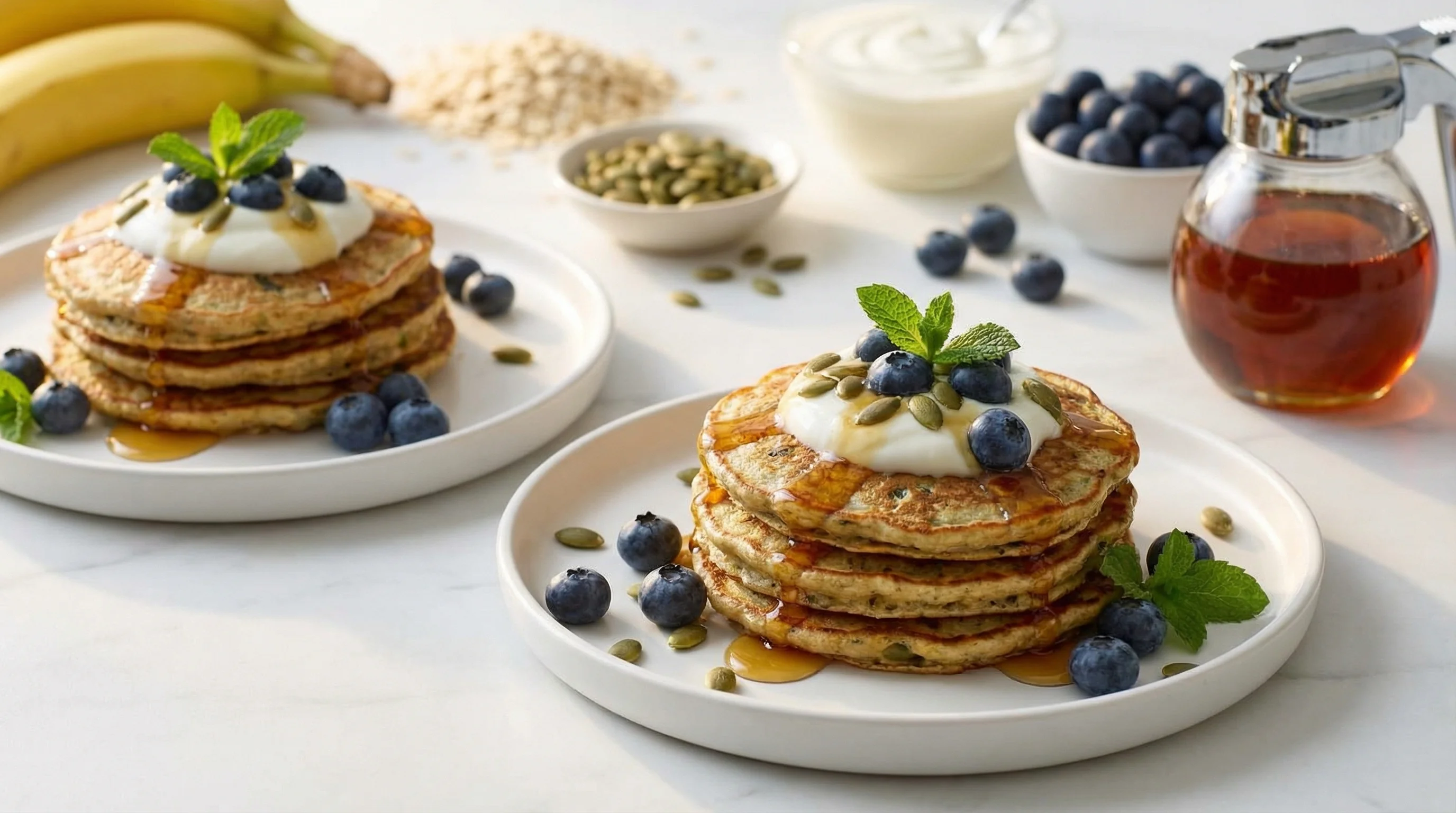
Pancakes à la banane et flocons d'avoine avec graines de courge (Pauvre en FODMAP)
Des pancakes naturellement sucrés préparés avec des bananes fermes, des flocons d'avoine et des graines de courge pour un petit-déjeuner respectueux du système digestif, à la fois nourrissant et délicieux.
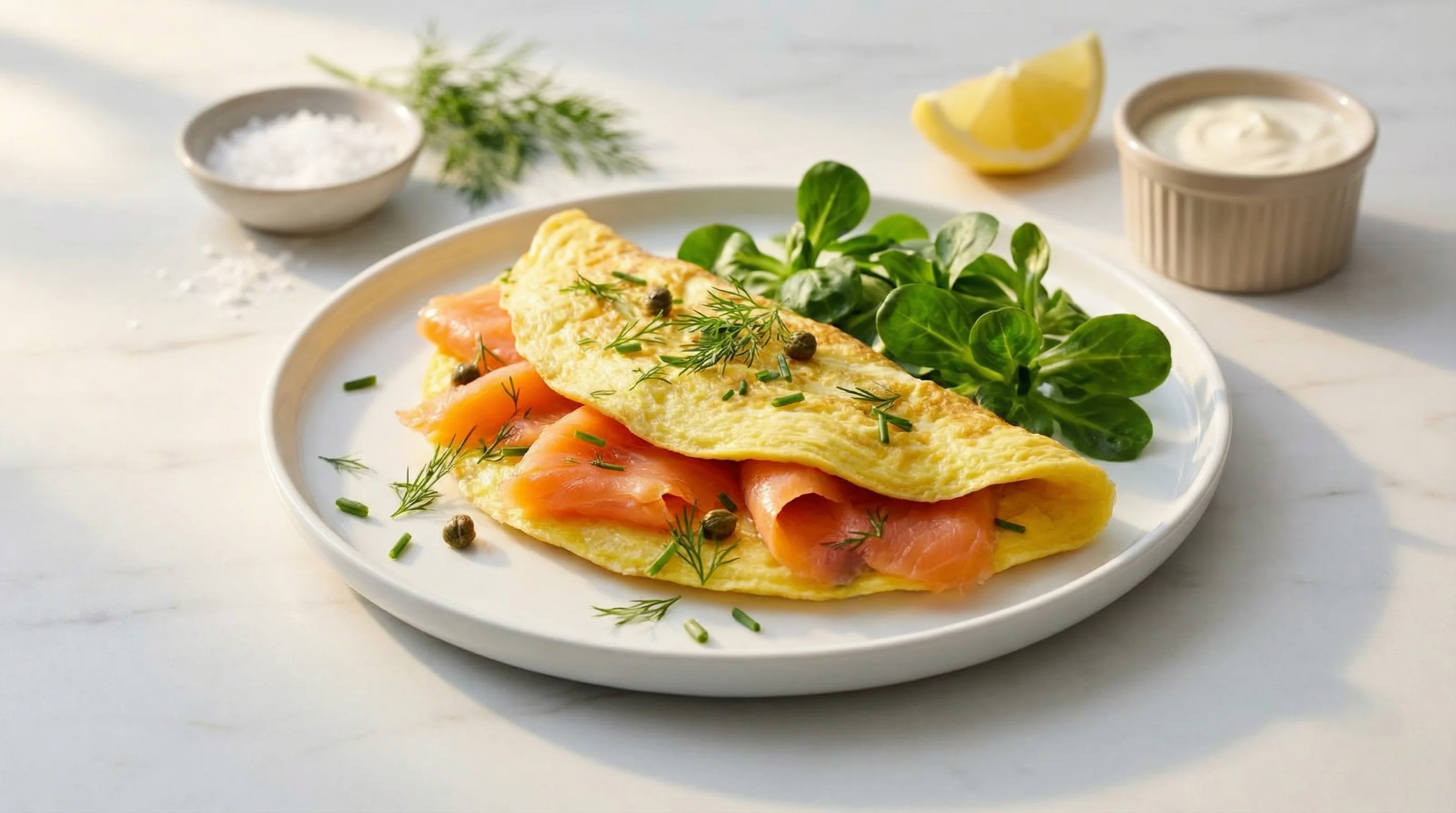
Omelette au Saumon Fumé à la Française (Pauvre en FODMAP)
Maîtrisez l'art de l'omelette française soyeuse garnie de saumon fumé raffiné. Prête en quelques minutes, ce petit-déjeuner riche en protéines est doux pour les estomacs sensibles.
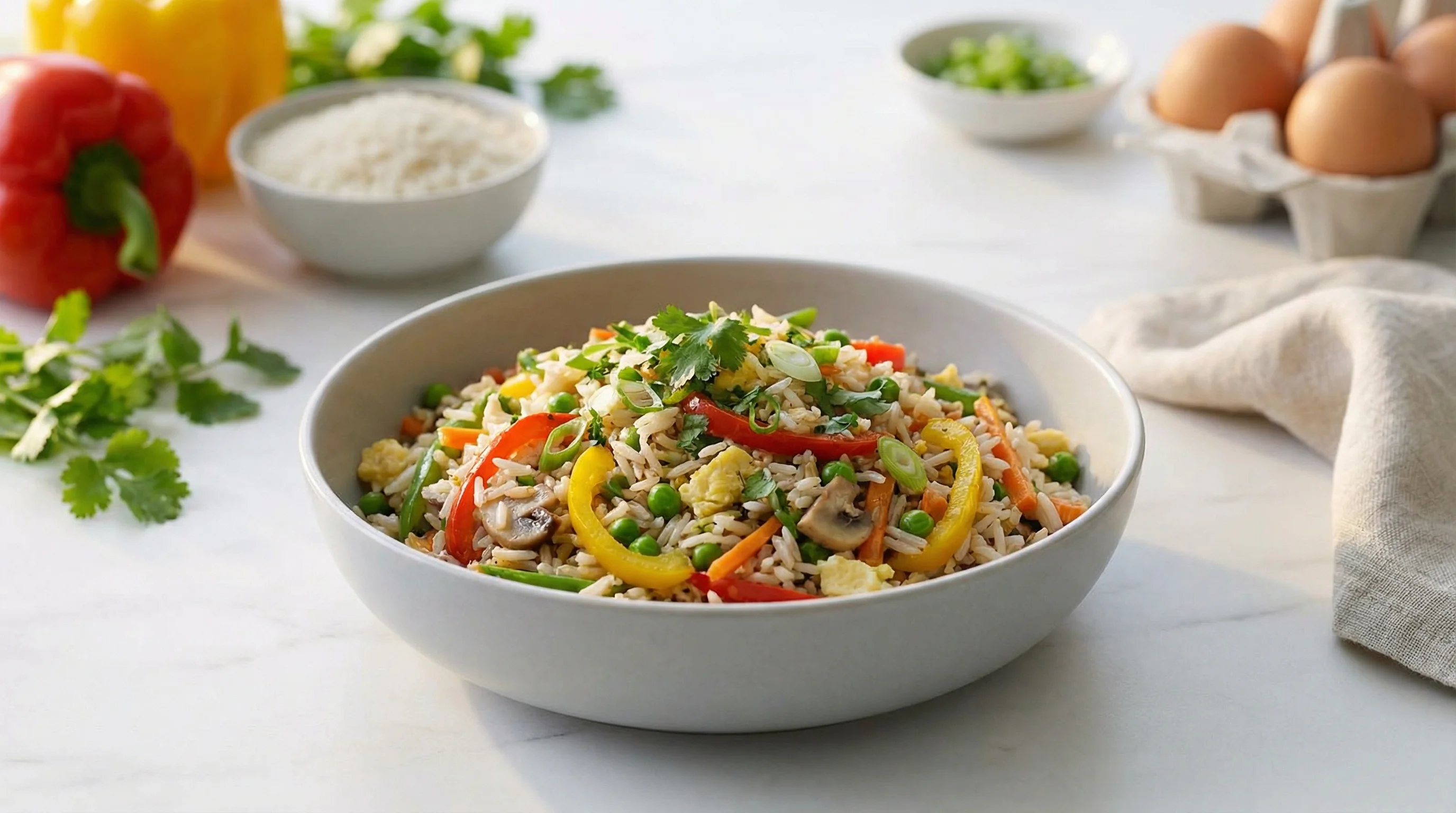
Riz sauté aux œufs et légumes arc-en-ciel (Pauvre en FODMAP)
Riz sauté coloré et riche en légumes prêt en 30 minutes. Un classique du restaurant asiatique respectueux de l'intestin, plus frais, plus sain et plus facile à digérer.
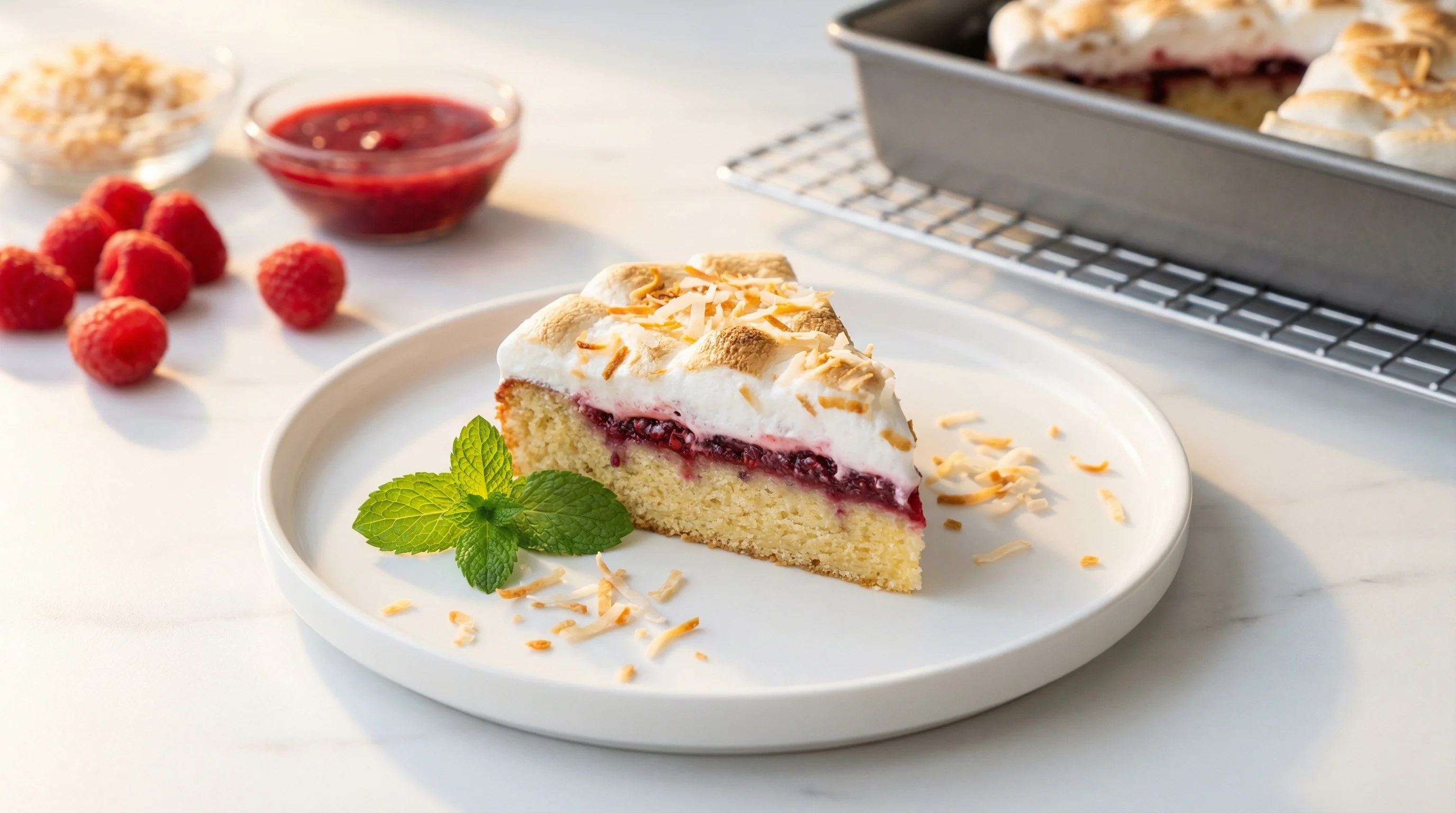
Gâteau Louise sans FODMAP avec Glaçage à la Noix de Coco et Guimauve
Un classique néo-zélandais nostalgique réinventé pour les estomacs sensibles - base de sablé beurré, confiture de framboise et glaçage moelleux à la noix de coco et meringue, entièrement compatible avec le régime pauvre en FODMAP.
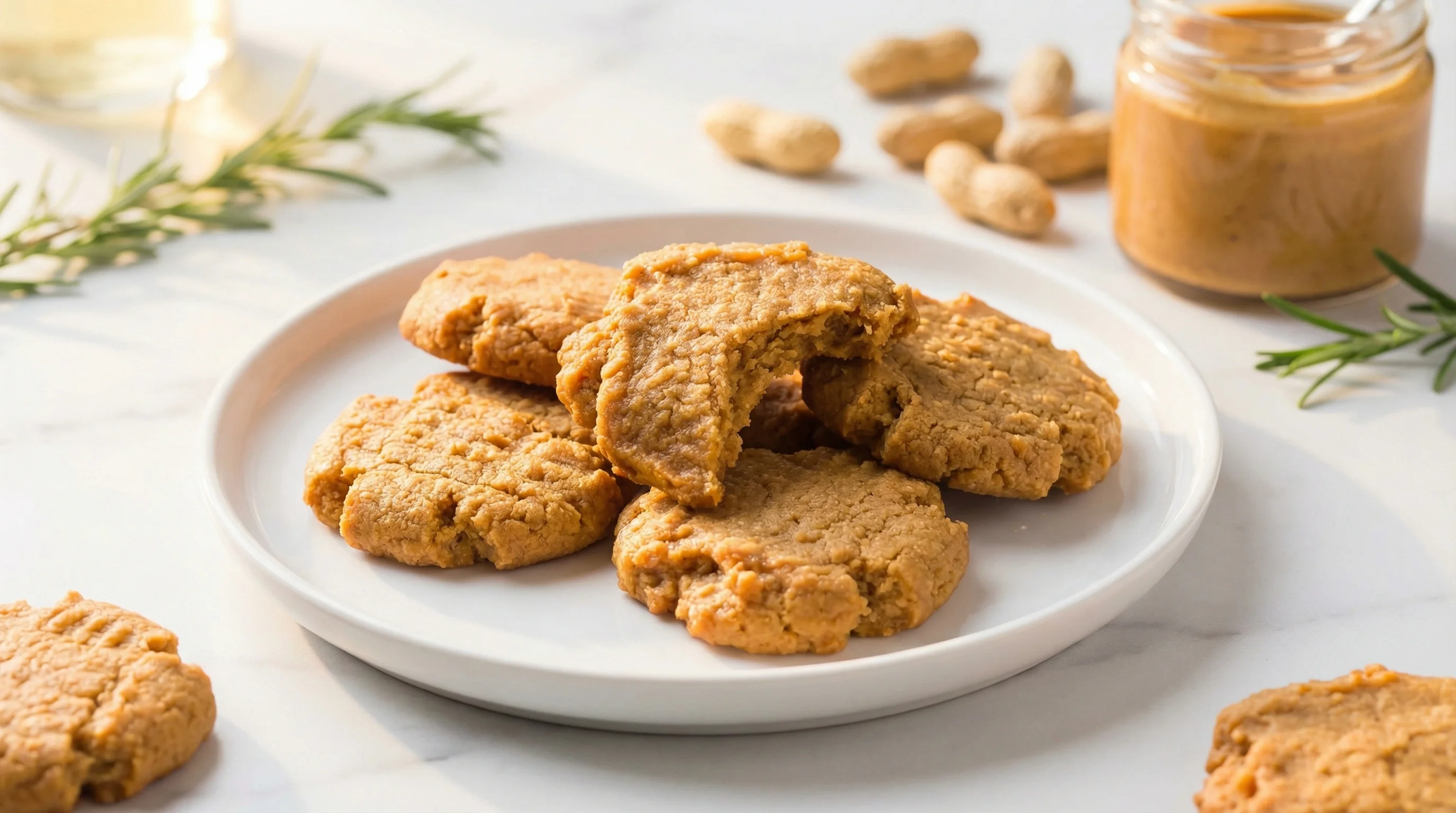
Biscuits au Beurre de Cacahuète Pauvres en FODMAP
Des biscuits au beurre de cacahuète moelleux et irrésistibles, complètement bienveillants pour votre intestin ! Ces classiques incontournables prouvent que vous n'avez pas besoin de sacrifier la saveur en suivant un régime pauvre en FODMAP.