🥬 Eggs
Eggs are a nutritional powerhouse and one of the most versatile ingredients in low FODMAP cooking. Whether you prefer them scrambled, poached, boiled, or baked into recipes, eggs are completely FODMAP-free and can be enjoyed without portion restrictions on a low FODMAP diet. As a complete protein source, eggs contain all nine essential amino acids your body needs, making them particularly valuable for those managing IBS who may have dietary restrictions. Each large egg provides approximately 6 grams of high-quality protein, along with important nutrients like choline, selenium, vitamin D, and B vitamins—all of which support overall health and digestive wellness. The beauty of eggs for low FODMAP followers is their incredible versatility. They serve as a binding agent in baking, a protein-rich breakfast option, and a key ingredient in everything from frittatas to custards. Unlike many protein sources that require careful portion control on a low FODMAP diet, eggs can be consumed freely, making meal planning significantly easier. Eggs are particularly beneficial during the elimination phase of the low FODMAP diet when food choices are most restricted. They provide satisfying nutrition without triggering digestive symptoms, and their neutral flavor profile makes them easy to pair with other low FODMAP ingredients. The healthy fats in egg yolks also aid in the absorption of fat-soluble vitamins from other foods you eat. When selecting eggs, freshness matters for both safety and quality. Fresh eggs have firmer whites and more prominent yolks, which is especially important for poaching or frying. Store eggs in their original carton in the refrigerator, where they'll stay fresh for 3-5 weeks past the pack date. For gut health, consider how you prepare your eggs—gentler cooking methods like poaching or soft-boiling may be easier to digest than heavily fried preparations for some individuals with sensitive digestive systems.
Porção segura
No portion limit - eggs are FODMAP-free and can be consumed freely
🔬 Nota científica
According to Monash University FODMAP research, eggs contain no FODMAPs (fermentable oligosaccharides, disaccharides, monosaccharides, and polyols) and are considered safe for all phases of the low FODMAP diet without portion restrictions. This applies to whole eggs, egg whites, and egg yolks from chicken eggs. Eggs are pure protein and fat with minimal carbohydrate content, which means they don't contain the carbohydrate structures that cause FODMAP-related digestive symptoms. This makes eggs an invaluable protein source during the elimination phase when many other protein-rich foods may need to be limited or avoided.
Receitas com Eggs

Panquecas de Banana e Aveia com Sementes de Abóbora (Low FODMAP)
Panquecas naturalmente doces feitas com bananas firmes, aveia e sementes de abóbora criam um pequeno-almoço amigo do intestino que é nutritivo e delicioso.

Omelete Francesa com Salmão Defumado (Low FODMAP)
Domine a arte de uma omelete francesa sedosa recheada com luxuoso salmão defumado. Pronta em minutos, este café da manhã rico em proteínas é suave para estômagos sensíveis.
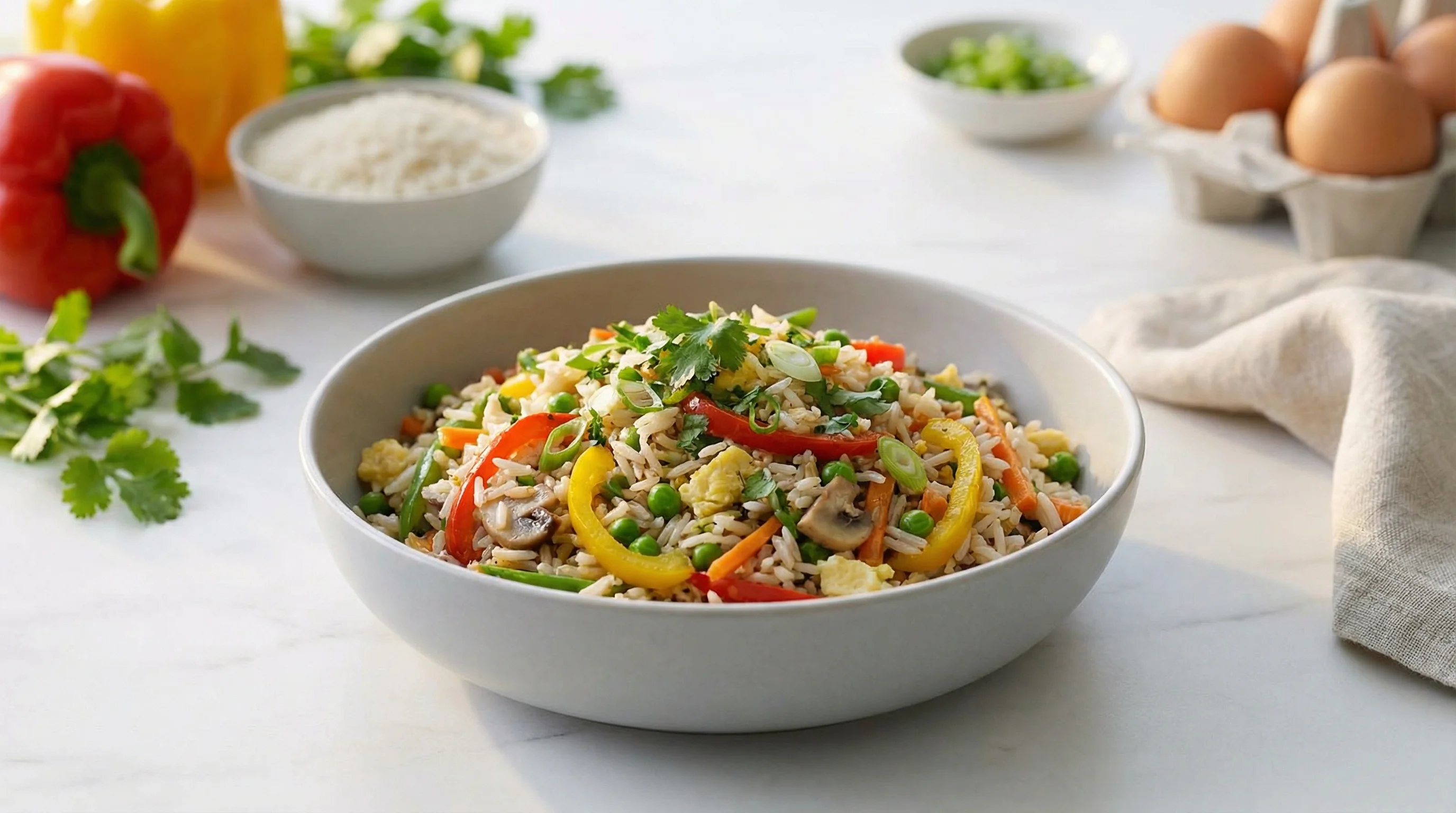
Arroz Frito com Ovos e Vegetais Coloridos (Low FODMAP)
Arroz frito vibrante e repleto de vegetais pronto em 30 minutos. Um favorito de comida asiática amigo do intestino, mais fresco, saudável e gentil com seu sistema digestivo.

Bolo Louise Baixo FODMAP com Cobertura de Marshmallow de Coco
Um clássico nostálgico da Nova Zelândia reinventado para barrigas sensíveis - base de shortbread amanteigada, geleia de framboesa e cobertura de merengue de coco macio que é completamente amigável ao FODMAP.
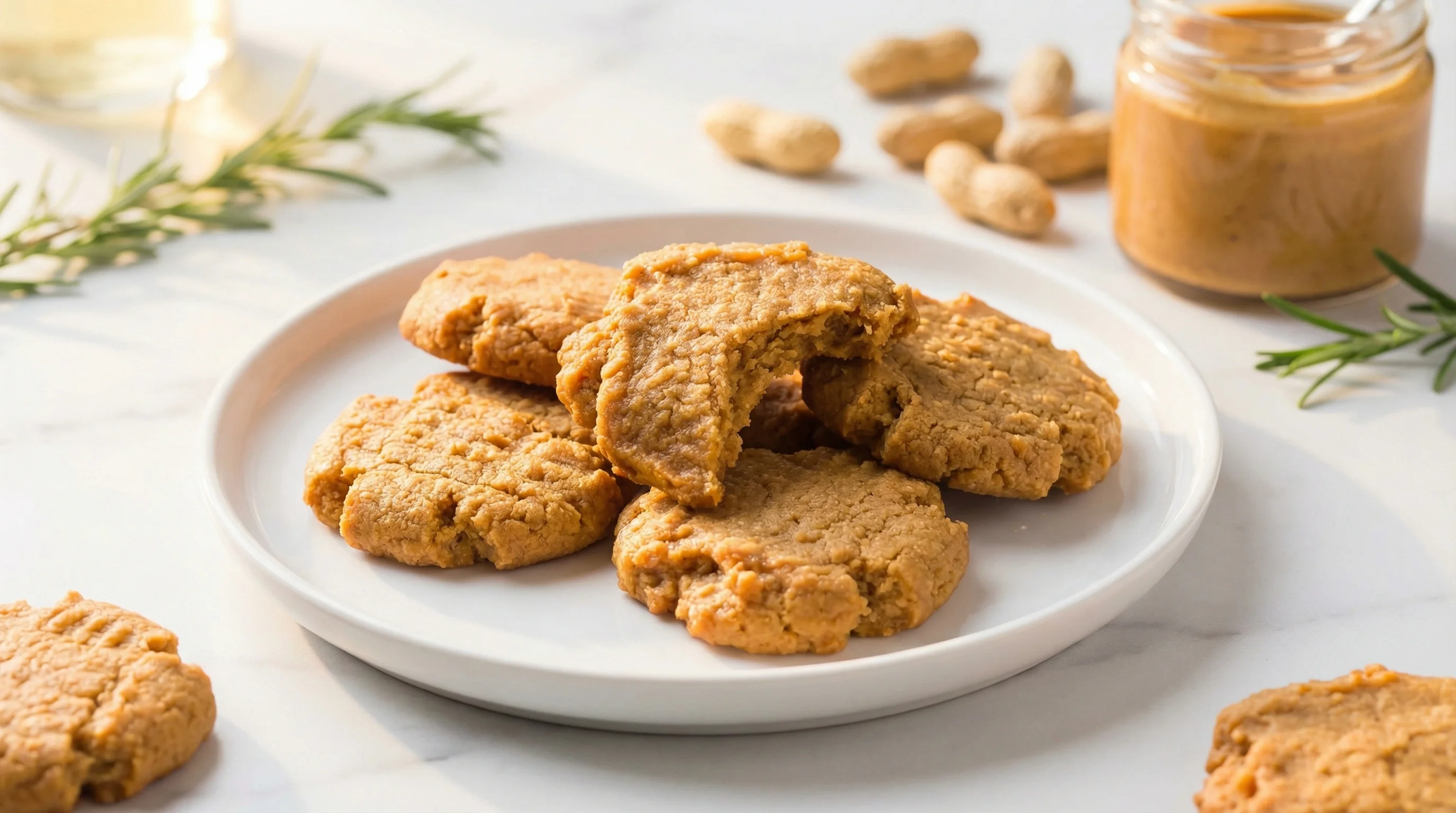
Biscoitos de Manteiga de Amendoim Baixa FODMAP
Biscoitos de manteiga de amendoim irresistivelmente macios e completamente amigos do intestino! Esses doces clássicos provam que você não precisa abrir mão do sabor em uma dieta baixa FODMAP.