🥬 Eggs
Eggs are a nutritional powerhouse and one of the most versatile ingredients in low FODMAP cooking. Whether you prefer them scrambled, poached, boiled, or baked into recipes, eggs are completely FODMAP-free and can be enjoyed without portion restrictions on a low FODMAP diet. As a complete protein source, eggs contain all nine essential amino acids your body needs, making them particularly valuable for those managing IBS who may have dietary restrictions. Each large egg provides approximately 6 grams of high-quality protein, along with important nutrients like choline, selenium, vitamin D, and B vitamins—all of which support overall health and digestive wellness. The beauty of eggs for low FODMAP followers is their incredible versatility. They serve as a binding agent in baking, a protein-rich breakfast option, and a key ingredient in everything from frittatas to custards. Unlike many protein sources that require careful portion control on a low FODMAP diet, eggs can be consumed freely, making meal planning significantly easier. Eggs are particularly beneficial during the elimination phase of the low FODMAP diet when food choices are most restricted. They provide satisfying nutrition without triggering digestive symptoms, and their neutral flavor profile makes them easy to pair with other low FODMAP ingredients. The healthy fats in egg yolks also aid in the absorption of fat-soluble vitamins from other foods you eat. When selecting eggs, freshness matters for both safety and quality. Fresh eggs have firmer whites and more prominent yolks, which is especially important for poaching or frying. Store eggs in their original carton in the refrigerator, where they'll stay fresh for 3-5 weeks past the pack date. For gut health, consider how you prepare your eggs—gentler cooking methods like poaching or soft-boiling may be easier to digest than heavily fried preparations for some individuals with sensitive digestive systems.
Porción segura
No portion limit - eggs are FODMAP-free and can be consumed freely
🔬 Nota científica
According to Monash University FODMAP research, eggs contain no FODMAPs (fermentable oligosaccharides, disaccharides, monosaccharides, and polyols) and are considered safe for all phases of the low FODMAP diet without portion restrictions. This applies to whole eggs, egg whites, and egg yolks from chicken eggs. Eggs are pure protein and fat with minimal carbohydrate content, which means they don't contain the carbohydrate structures that cause FODMAP-related digestive symptoms. This makes eggs an invaluable protein source during the elimination phase when many other protein-rich foods may need to be limited or avoided.
Recetas con Eggs

Panqueques de Avena y Plátano con Semillas de Calabaza (Bajo en FODMAP)
Panqueques naturalmente dulces elaborados con plátanos firmes, avena y semillas de calabaza que crean un desayuno amigable con el intestino, nutritivo y delicioso.

Tortilla Francesa con Salmón Ahumado (Baja en FODMAP)
Domina el arte de una sedosa tortilla francesa rellena de lujoso salmón ahumado. Lista en minutos, este desayuno rico en proteínas es suave para estómagos sensibles.
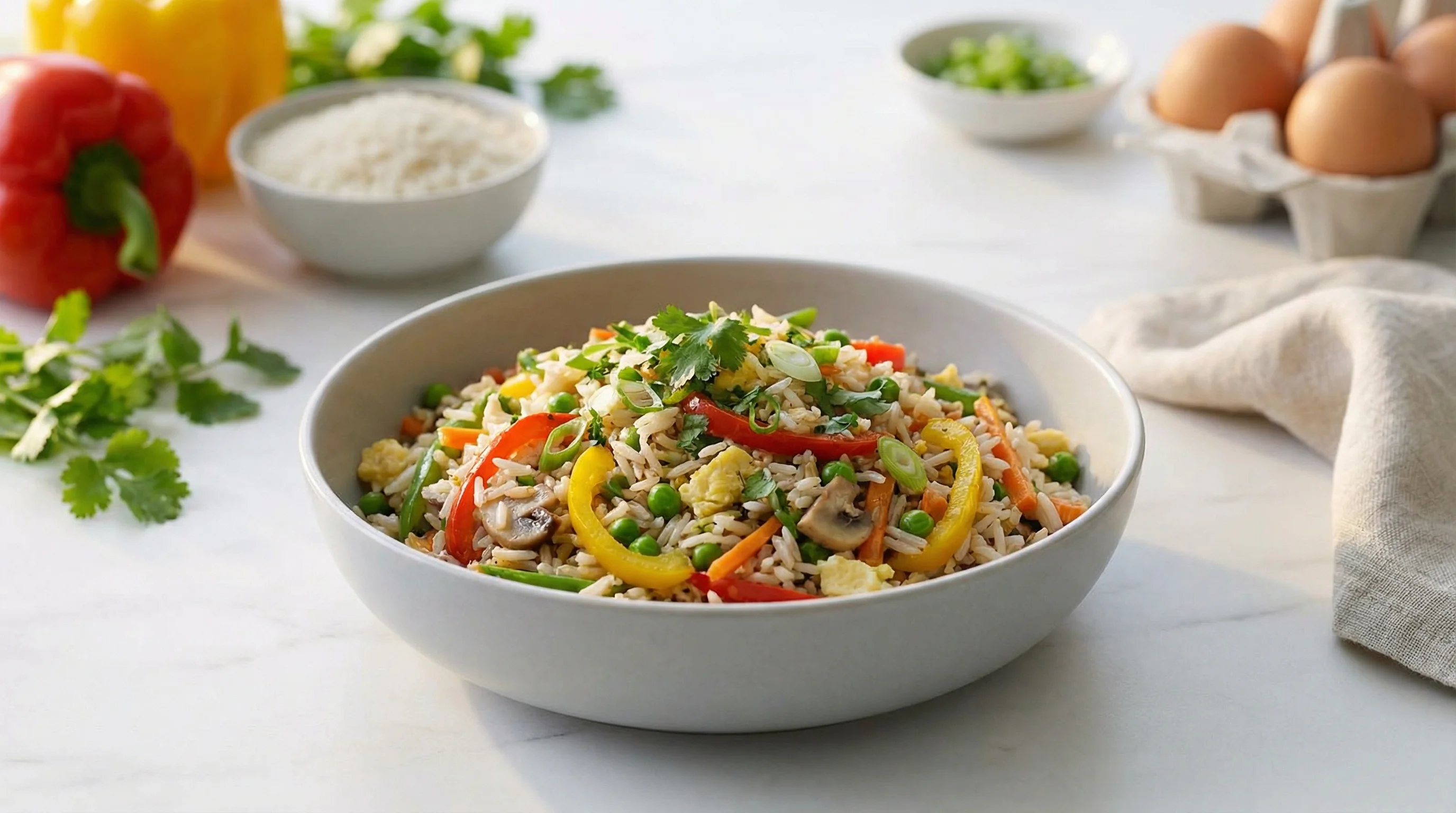
Arroz Frito con Huevo y Verduras Arcoíris (Bajo en FODMAP)
Arroz frito vibrante repleto de verduras listo en 30 minutos. Un favorito de comida para llevar amigable con el intestino que es más fresco, saludable y más fácil para tu sistema digestivo.

Bizcocho Louise Bajo en FODMAP con Cobertura de Malvavisco de Coco
Un clásico nostálgico de Nueva Zelanda reinventado para estómagos sensibles - base de shortbread mantecosa, mermelada de frambuesa y cobertura de merengue de coco esponjosa que es completamente baja en FODMAP.
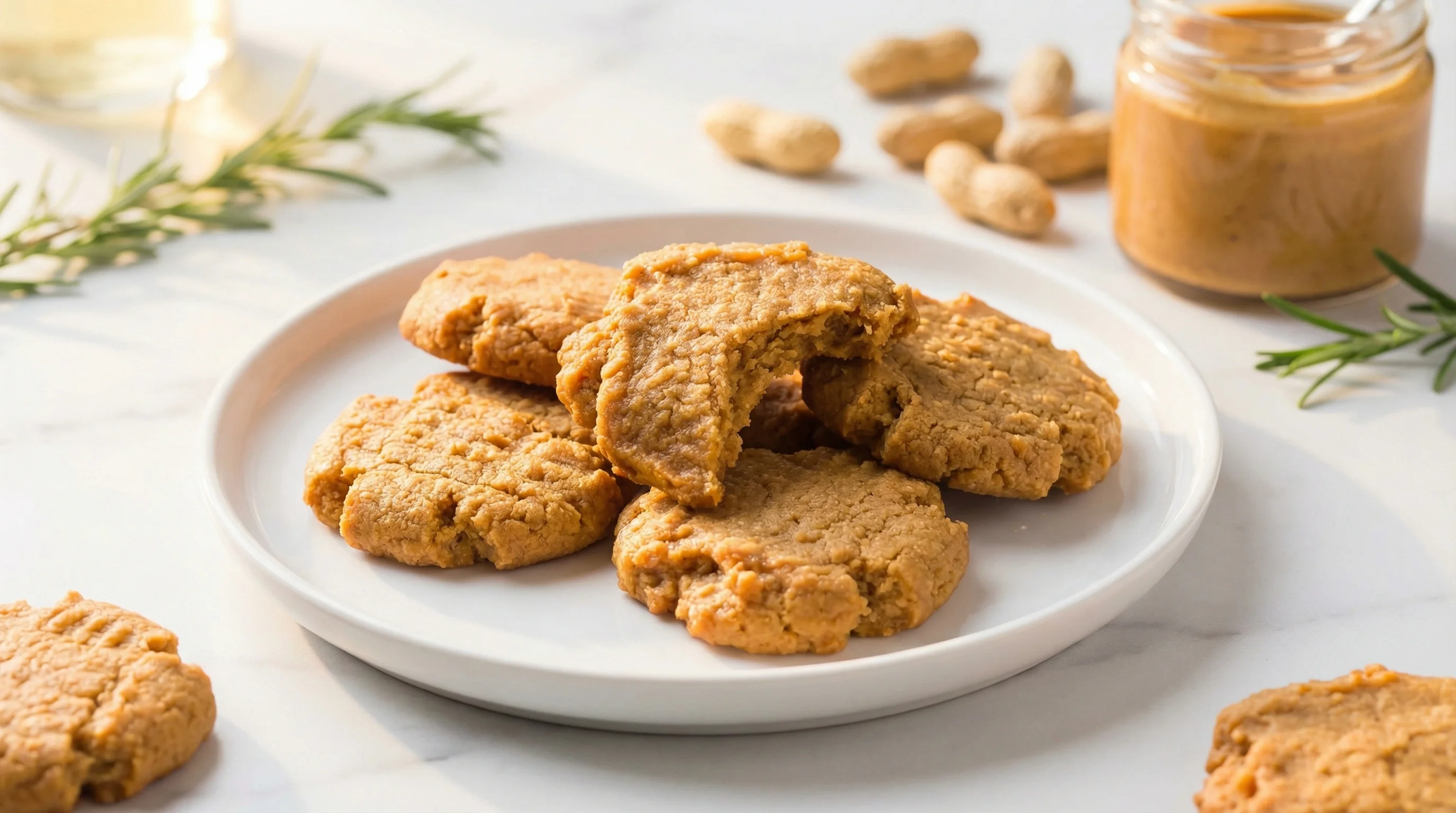
Galletas de Mantequilla de Cacahuete Bajas en FODMAP
¡Galletas de mantequilla de cacahuete irresistiblemente masticables que son completamente amigas del intestino! Estos clásicos dulces demuestran que no necesitas sacrificar el sabor en una dieta baja en FODMAP.