🥬 Butter
Butter is a dairy product made by churning cream or milk to separate the butterfat from the buttermilk. As a pure fat with minimal lactose and protein content, butter is considered low FODMAP and safe for most people following a low FODMAP diet. This makes it an excellent choice for cooking, baking, and adding rich flavor to dishes without triggering digestive symptoms. Unlike milk and cream which contain significant amounts of lactose (a FODMAP sugar), butter's production process removes most of the lactose-containing liquid. The final product is approximately 80% fat, with only trace amounts of lactose remaining—typically less than 0.1 grams per tablespoon. This minimal lactose content falls well below the threshold that would cause issues for most people with lactose intolerance or IBS. Butter comes in several forms, all of which are low FODMAP: unsalted (sweet) butter, salted butter, clarified butter, and ghee. Clarified butter and ghee are even lower in lactose than regular butter, as they undergo additional processing to remove milk solids. Ghee, popular in Indian cuisine, is butter that has been simmered to remove all water and milk proteins, leaving pure butterfat with a nutty, caramelized flavor. Nutritionally, butter provides fat-soluble vitamins A, D, E, and K, along with beneficial fatty acids. While it's high in saturated fat, moderate consumption as part of a balanced diet can be appropriate for most people. Butter from grass-fed cows contains higher levels of omega-3 fatty acids and conjugated linoleic acid (CLA), which may offer additional health benefits. When cooking with butter, its relatively low smoke point (around 350°F/175°C) makes it ideal for low to medium-heat cooking, baking, and finishing dishes. For higher-heat cooking, clarified butter or ghee are better choices as they can withstand temperatures up to 450°F (230°C) without burning. Butter adds moisture to baked goods, creates flaky pastries, and provides a rich base for sauces. It's also perfect for sautéing vegetables, spreading on low FODMAP bread, or melting over cooked proteins for added flavor and richness.
Sichere Portion
No specific limit - butter is low FODMAP in typical serving sizes (1-2 tablespoons per meal)
🔬 Wissenschaftlicher Hinweis
According to Monash University FODMAP research, butter is low FODMAP because it contains only trace amounts of lactose. The churning process separates the fat from the lactose-containing liquid (buttermilk), resulting in a product with less than 0.1g lactose per tablespoon. Even individuals with lactose intolerance can typically consume butter without symptoms. Clarified butter and ghee contain even less lactose as the milk solids are completely removed during processing, making them suitable even for those with severe lactose sensitivity.
Low FODMAP Alternativen
Rezepte mit Butter
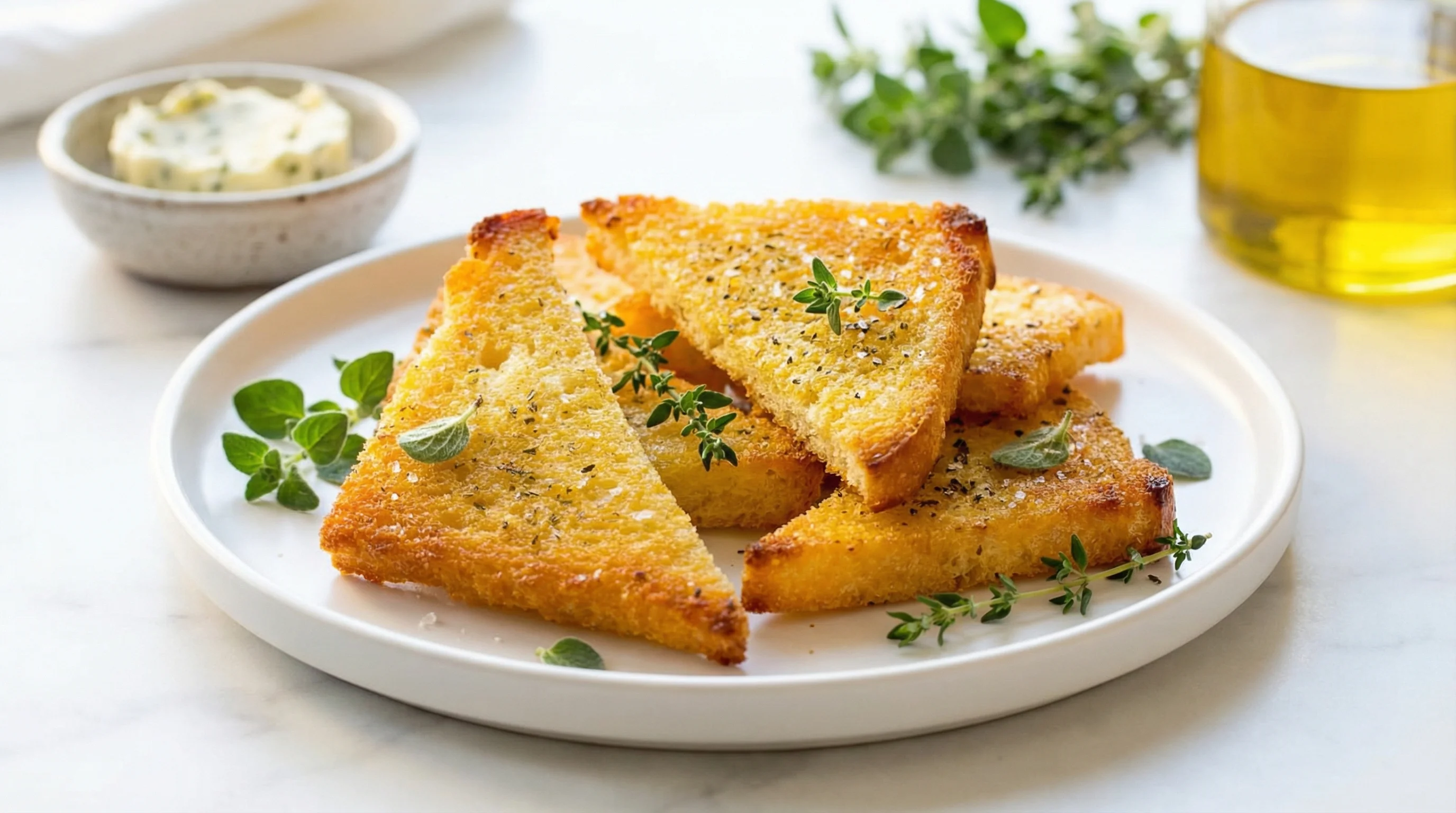
Knuspriges Low-FODMAP-Knoblauchbrot mit Kräuterbutter
Goldenes, buttrig weiches Knoblauchbrot, das völlig magenschonend ist! Knusprige Ränder, weiches Inneres und vollgepackt mit Geschmack – die perfekte Beilage zu jedem Gericht.
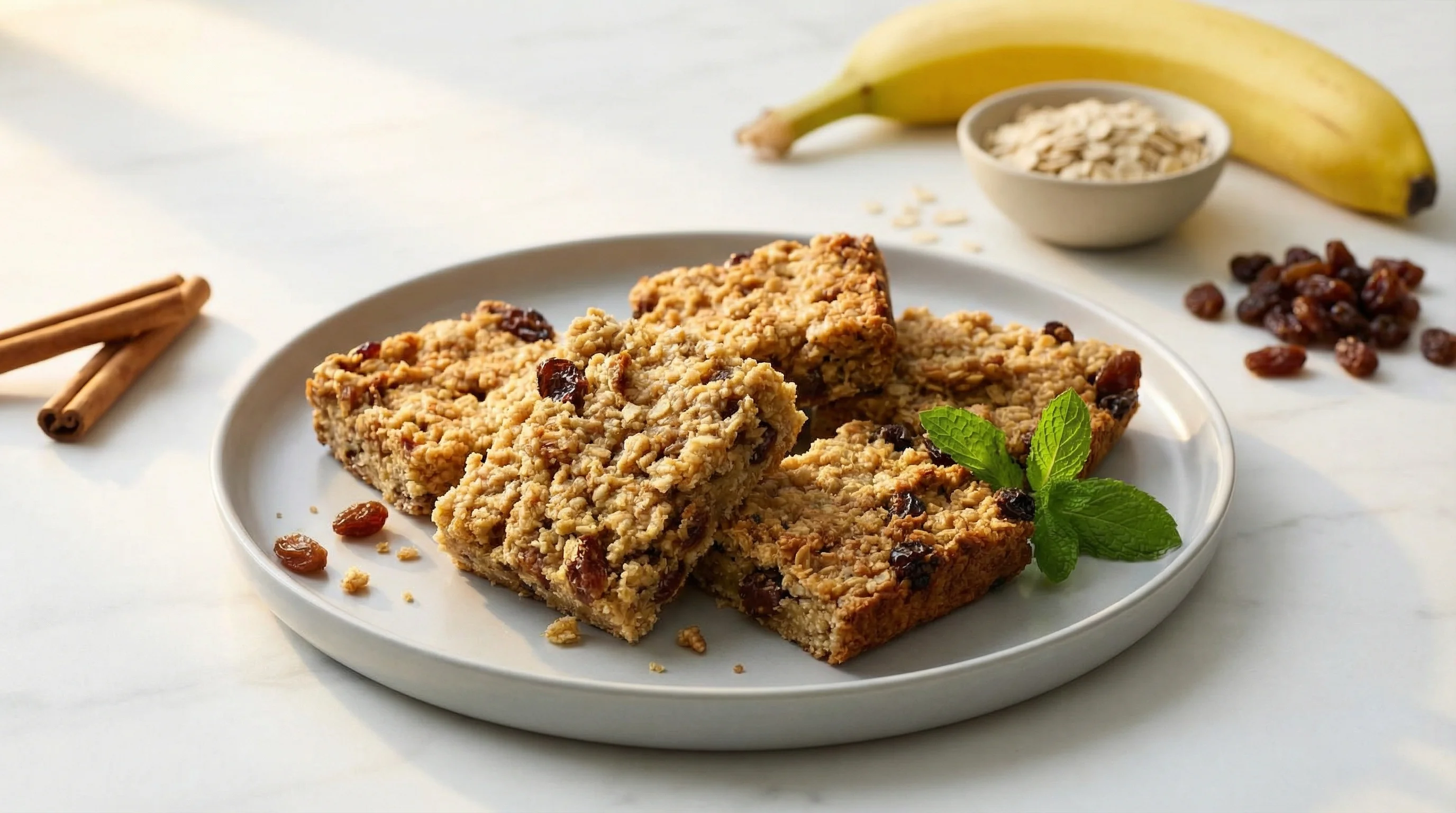
Bananen-Hafer-Energieriegel (Low FODMAP)
Natürlich süße, saftige Energieriegel aus nur 5 einfachen Zutaten. Perfekt für reizdarmfreundliches Naschen unterwegs, ganz ohne raffinierten Zucker!
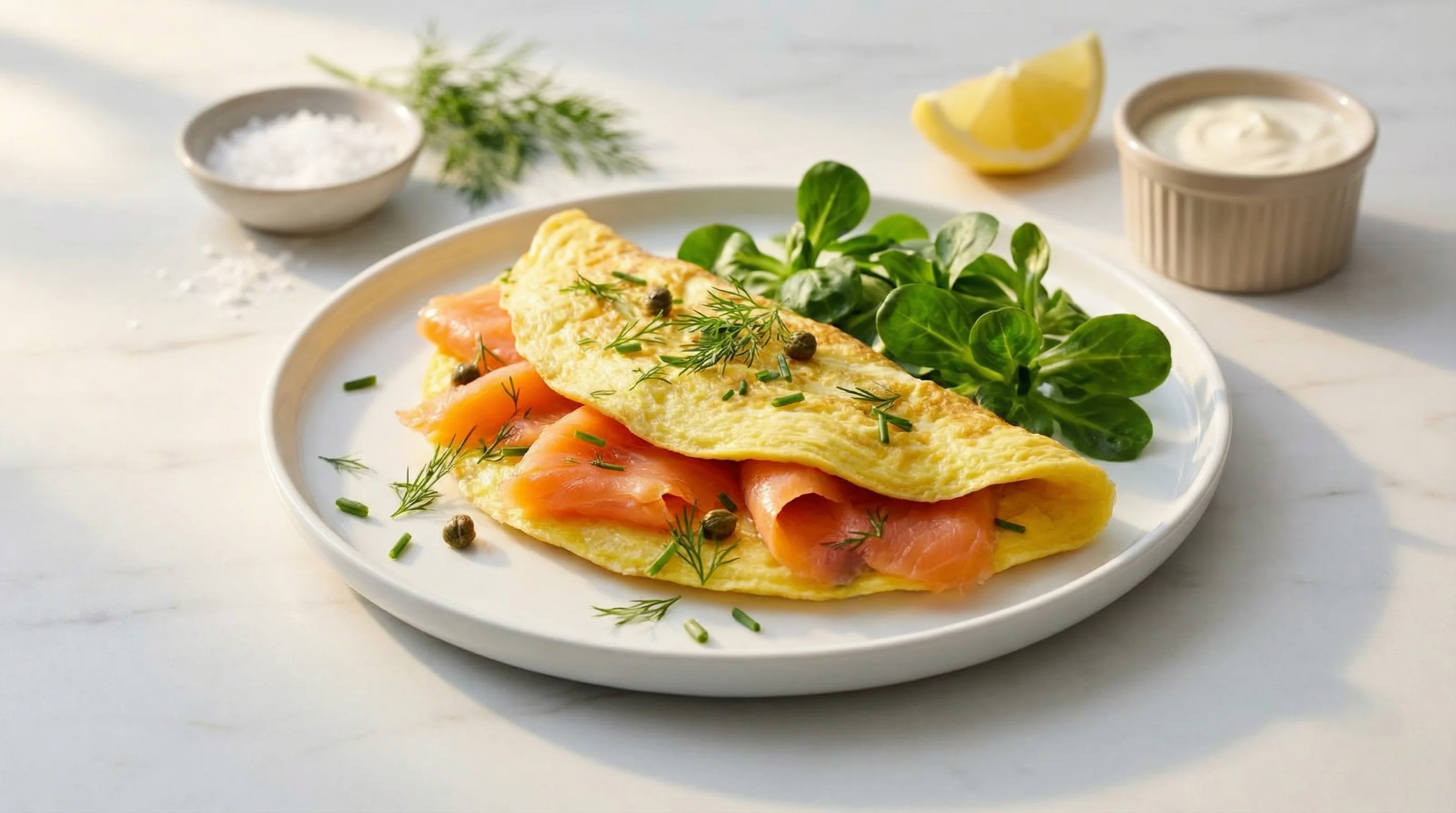
Omelett mit Räucherlachs nach französischer Art (Low FODMAP)
Meistern Sie die Kunst eines seidigen französischen Omeletts gefüllt mit luxuriösem Räucherlachs. In wenigen Minuten fertig, ist dieses proteinreiche Frühstück sanft zu empfindlichen Mägen.
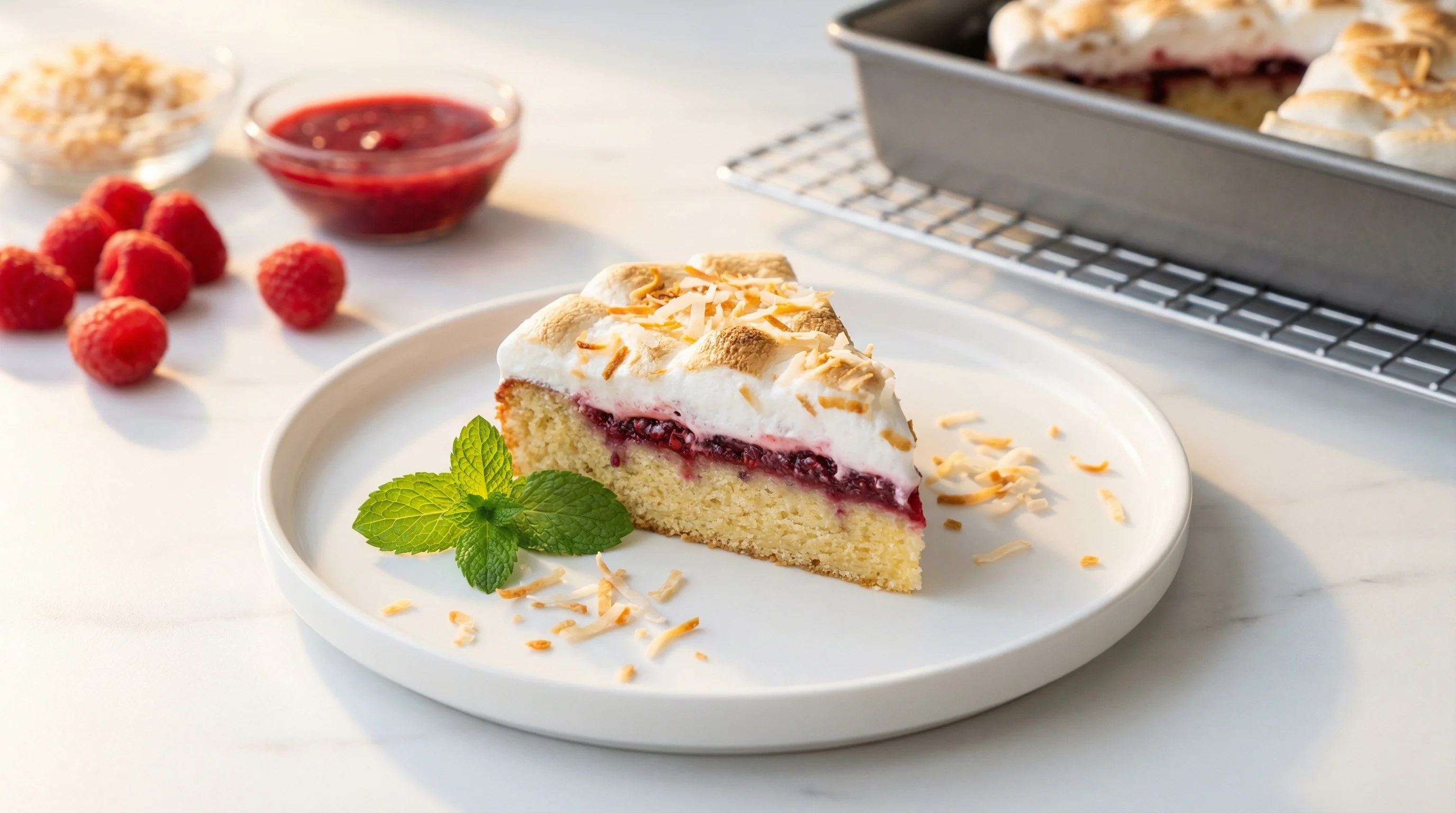
Low FODMAP Louise Cake mit Kokosnuss-Marshmallow-Topping
Ein nostalgischer neuseeländischer Klassiker neu interpretiert für empfindliche Mägen - buttrige Mürbeteigbasis, Himbeermarmelde und fluffiges Kokosnuss-Baiser-Topping, das vollständig FODMAP-freundlich ist.