🥬 Butter
Butter is a dairy product made by churning cream or milk to separate the butterfat from the buttermilk. As a pure fat with minimal lactose and protein content, butter is considered low FODMAP and safe for most people following a low FODMAP diet. This makes it an excellent choice for cooking, baking, and adding rich flavor to dishes without triggering digestive symptoms. Unlike milk and cream which contain significant amounts of lactose (a FODMAP sugar), butter's production process removes most of the lactose-containing liquid. The final product is approximately 80% fat, with only trace amounts of lactose remaining—typically less than 0.1 grams per tablespoon. This minimal lactose content falls well below the threshold that would cause issues for most people with lactose intolerance or IBS. Butter comes in several forms, all of which are low FODMAP: unsalted (sweet) butter, salted butter, clarified butter, and ghee. Clarified butter and ghee are even lower in lactose than regular butter, as they undergo additional processing to remove milk solids. Ghee, popular in Indian cuisine, is butter that has been simmered to remove all water and milk proteins, leaving pure butterfat with a nutty, caramelized flavor. Nutritionally, butter provides fat-soluble vitamins A, D, E, and K, along with beneficial fatty acids. While it's high in saturated fat, moderate consumption as part of a balanced diet can be appropriate for most people. Butter from grass-fed cows contains higher levels of omega-3 fatty acids and conjugated linoleic acid (CLA), which may offer additional health benefits. When cooking with butter, its relatively low smoke point (around 350°F/175°C) makes it ideal for low to medium-heat cooking, baking, and finishing dishes. For higher-heat cooking, clarified butter or ghee are better choices as they can withstand temperatures up to 450°F (230°C) without burning. Butter adds moisture to baked goods, creates flaky pastries, and provides a rich base for sauces. It's also perfect for sautéing vegetables, spreading on low FODMAP bread, or melting over cooked proteins for added flavor and richness.
Porción segura
No specific limit - butter is low FODMAP in typical serving sizes (1-2 tablespoons per meal)
🔬 Nota científica
According to Monash University FODMAP research, butter is low FODMAP because it contains only trace amounts of lactose. The churning process separates the fat from the lactose-containing liquid (buttermilk), resulting in a product with less than 0.1g lactose per tablespoon. Even individuals with lactose intolerance can typically consume butter without symptoms. Clarified butter and ghee contain even less lactose as the milk solids are completely removed during processing, making them suitable even for those with severe lactose sensitivity.
Alternativas bajas en FODMAP
Recetas con Butter
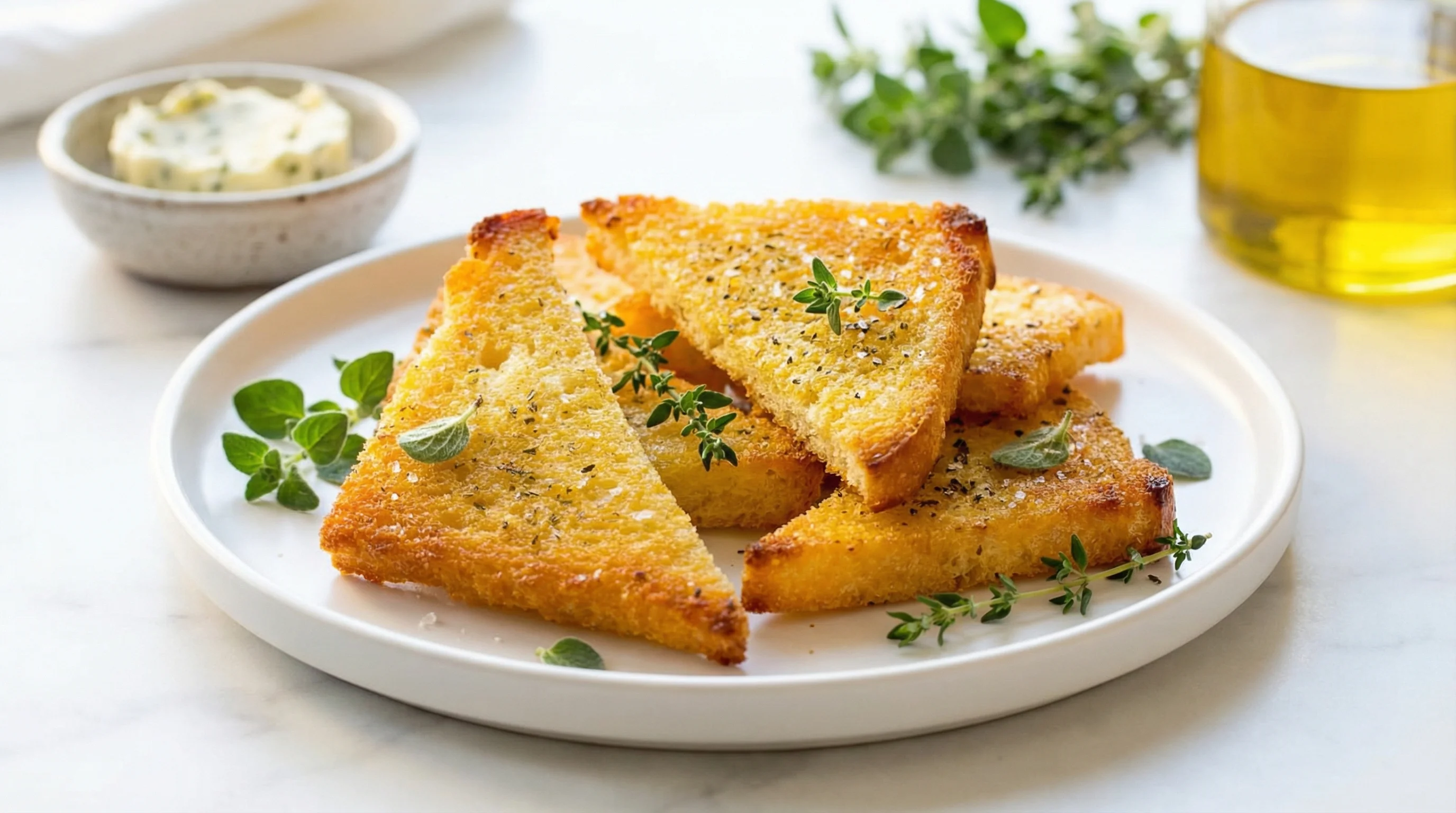
Pan de Ajo Crujiente Bajo en FODMAP con Mantequilla de Hierbas
¡Pan de ajo dorado y mantecoso que es completamente amigable para el intestino! Bordes crujientes, centro suave y lleno de sabor—el acompañamiento perfecto para cualquier comida.
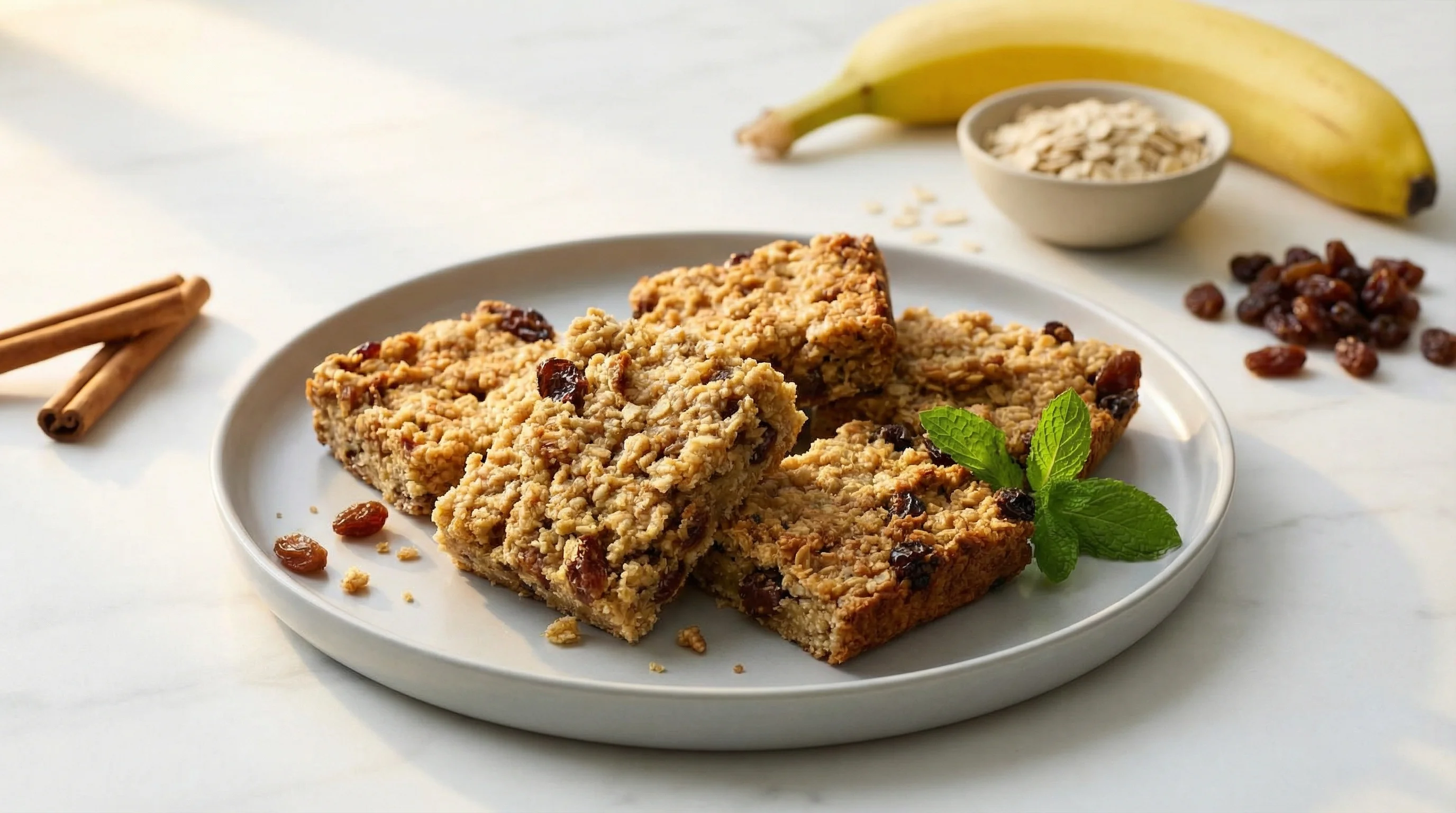
Barritas Energéticas de Plátano y Avena (Bajo en FODMAP)
Barritas energéticas naturalmente dulces y masticables hechas con solo 5 ingredientes simples. Perfectas para snacks aptos para SII sobre la marcha, ¡sin necesidad de azúcar refinada!
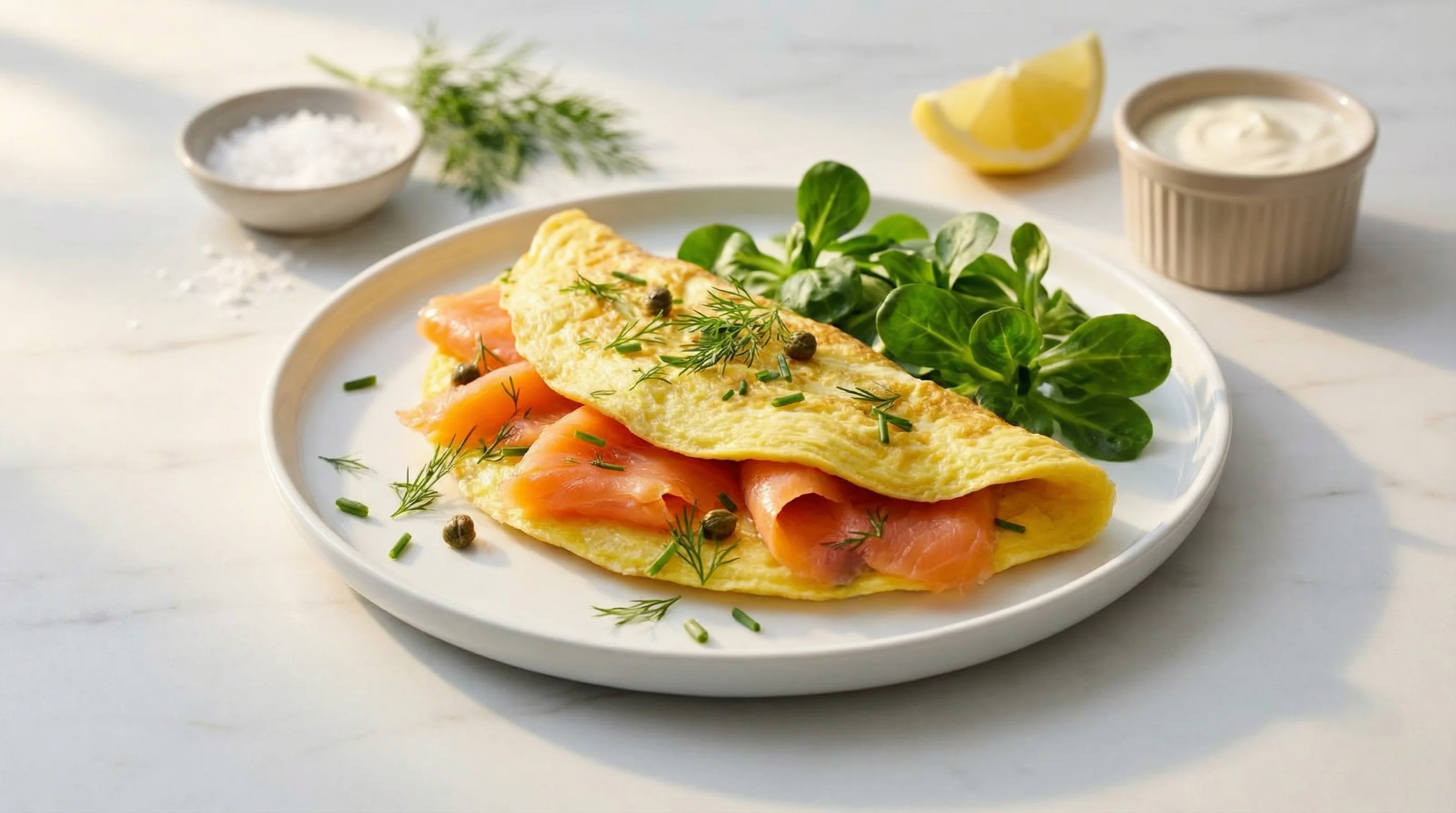
Tortilla Francesa con Salmón Ahumado (Baja en FODMAP)
Domina el arte de una sedosa tortilla francesa rellena de lujoso salmón ahumado. Lista en minutos, este desayuno rico en proteínas es suave para estómagos sensibles.
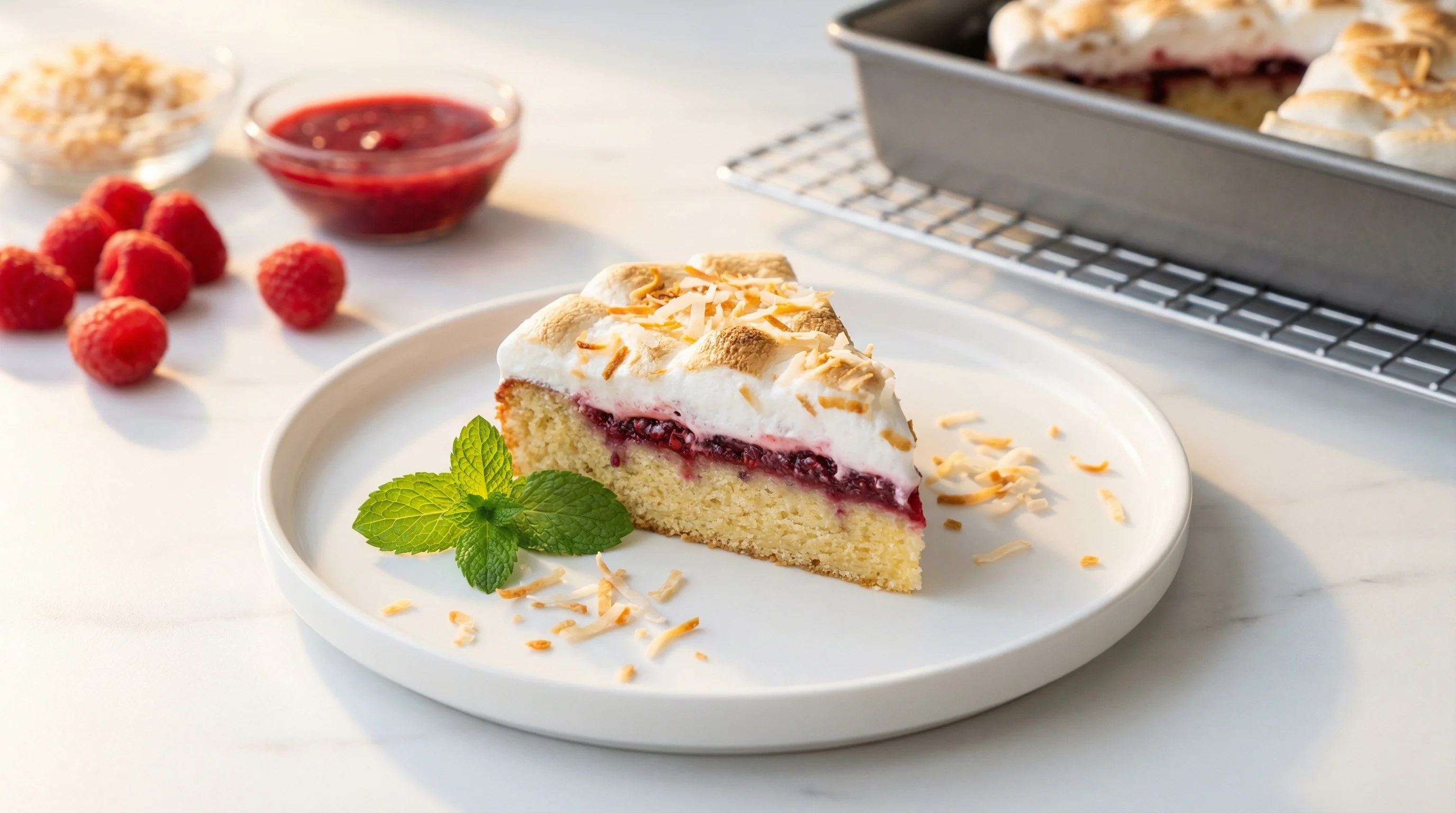
Bizcocho Louise Bajo en FODMAP con Cobertura de Malvavisco de Coco
Un clásico nostálgico de Nueva Zelanda reinventado para estómagos sensibles - base de shortbread mantecosa, mermelada de frambuesa y cobertura de merengue de coco esponjosa que es completamente baja en FODMAP.