🥬 Peanut Butter
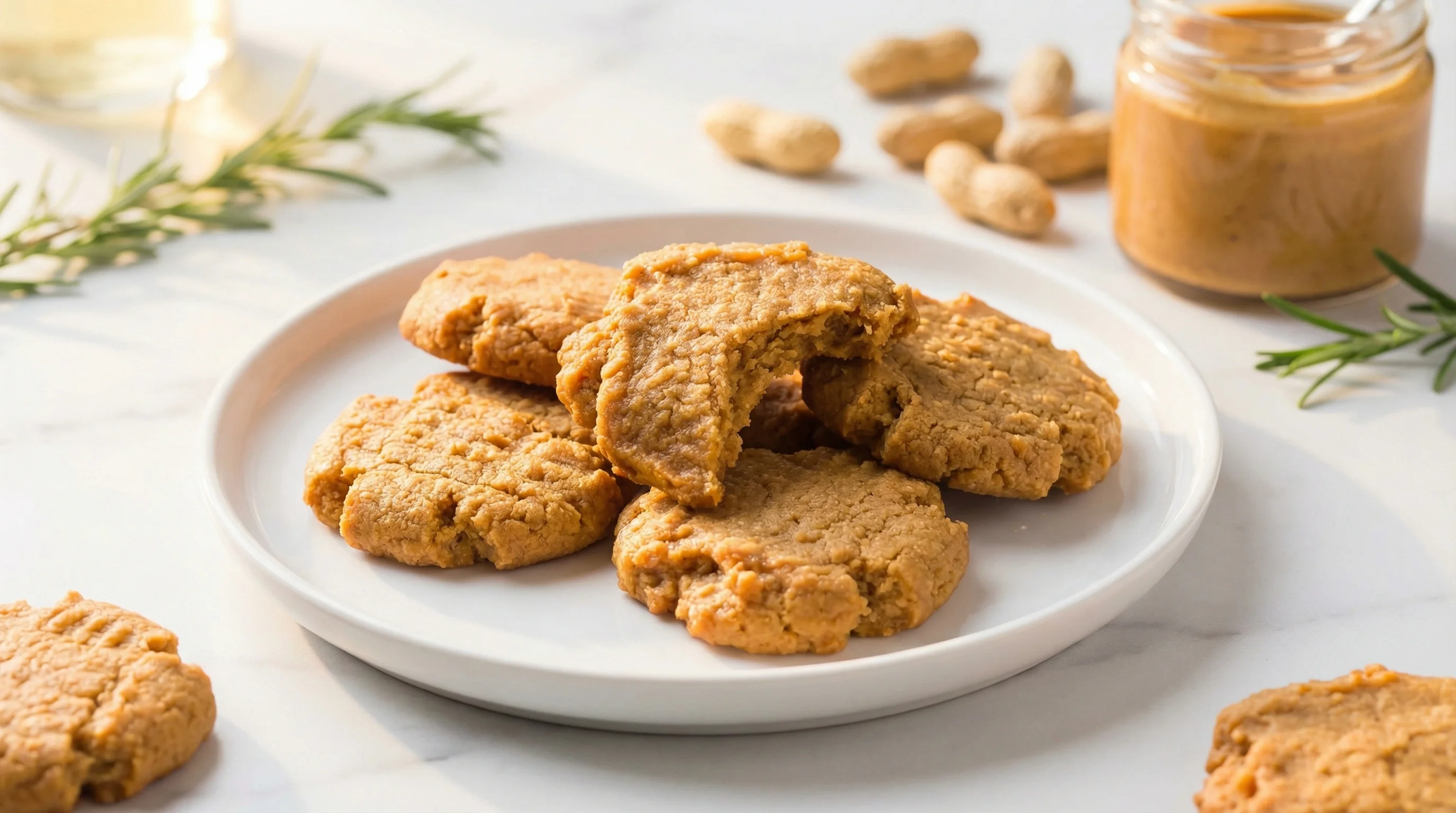
Peanut butter is a beloved spread made from ground roasted peanuts, often with added salt and sometimes oil or sweeteners. For those following a low FODMAP diet, peanut butter can be a nutritious and satisfying option when consumed in appropriate portions. According to Monash University FODMAP research, peanut butter is considered low FODMAP in servings of up to 2 tablespoons (32g). This applies to both smooth and crunchy varieties, making it a versatile choice for breakfast toast, smoothies, baking, or as a protein-rich snack. The key is portion control, as larger servings may contain moderate amounts of GOS (galacto-oligosaccharides), a type of FODMAP that can trigger symptoms in sensitive individuals. When selecting peanut butter for a low FODMAP diet, opt for natural varieties with minimal ingredients—ideally just peanuts and salt. Many commercial brands add high FODMAP ingredients like honey, inulin, chicory root, or high fructose corn syrup, which should be avoided. Natural peanut butter separates and requires stirring, but this indicates fewer additives and processing. Nutritionally, peanut butter is an excellent source of plant-based protein, providing approximately 8 grams per 2-tablespoon serving. It's rich in heart-healthy monounsaturated fats, vitamin E, magnesium, and niacin. The protein and healthy fats help stabilize blood sugar levels and promote satiety, making it particularly useful for maintaining energy throughout the day while managing IBS symptoms. Peanut butter also contains dietary fiber, which supports digestive health when consumed in low FODMAP portions. The combination of protein, fat, and fiber makes it an ideal addition to low FODMAP meals and snacks, helping to slow digestion and prevent blood sugar spikes that can sometimes exacerbate digestive discomfort. For cooking and baking, peanut butter works beautifully in low FODMAP recipes. Use it in smoothies with lactose-free milk and banana, spread it on gluten-free toast, incorporate it into Asian-inspired sauces with tamari and ginger, or bake it into cookies using gluten-free flour. The rich, creamy texture and satisfying flavor make it a staple ingredient that doesn't compromise taste while following dietary restrictions. Remember to measure portions carefully, especially when using peanut butter in recipes where it's easy to overdo it. Stick to the recommended 2-tablespoon serving to keep your meals low FODMAP and symptom-free.
Porzione sicura
2 tablespoons (32g) per serving
🔬 Nota scientifica
Monash University has tested peanut butter and found it to be low FODMAP at servings up to 2 tablespoons (32g). At this portion size, peanut butter contains low levels of all FODMAP groups. Larger servings of 4 tablespoons (64g) contain moderate amounts of GOS (galacto-oligosaccharides), which may trigger symptoms in individuals with IBS. The FODMAP content can vary slightly between natural and processed varieties, with natural peanut butter (containing only peanuts and salt) being the safest choice. Commercial varieties with added sweeteners, particularly honey, agave, or high fructose corn syrup, should be avoided as these ingredients are high FODMAP. The protein and fat content in peanut butter can actually be beneficial for gut health, as they slow gastric emptying and may help reduce symptom severity when consumed in appropriate portions.