🥬 Bananas
Bananas are one of the most popular fruits worldwide and a staple in many Low FODMAP diets, though their FODMAP content changes significantly with ripeness. Understanding the ripeness factor is crucial for anyone following a Low FODMAP diet, as it can mean the difference between a safe food and a trigger food. Unripe (green-tipped) and firm bananas are considered Low FODMAP because they contain resistant starch rather than simple sugars. As bananas ripen, the resistant starch converts to fructose and other simple sugars, increasing their FODMAP load. According to Monash University testing, one medium unripe banana (100g) is Low FODMAP, while ripe bananas with brown spots should be limited to 1/3 of a medium banana (approximately 33g) per serving. Nutritionally, bananas are an excellent source of potassium, providing about 422mg per medium banana, which supports healthy muscle function and electrolyte balance—particularly important for those managing digestive issues. They're also rich in vitamin B6, vitamin C, and dietary fiber, including pectin, which can help regulate digestion. The resistant starch in unripe bananas acts as a prebiotic, feeding beneficial gut bacteria without causing FODMAP-related symptoms. Bananas are incredibly versatile in cooking and baking. Unripe bananas work well sliced into cereal, blended into smoothies, or eaten as a quick snack. They're firmer and less sweet, making them ideal for savory applications too. Mashed banana can replace eggs in baking (1/4 cup mashed banana per egg), though remember to use firmer, less ripe fruit for Low FODMAP compliance. When baking Low FODMAP banana bread or muffins, choose bananas that are yellow with minimal brown spots. For meal prep, slice unripe bananas and freeze them for smoothies or nice cream—a Low FODMAP frozen dessert alternative. The freezing process doesn't significantly alter FODMAP content, so the ripeness at freezing time matters. Store bananas at room temperature and separate them from other fruits to slow ripening. If you need to slow ripening further, refrigerate them; the peel will brown, but the fruit inside remains fresh and maintains its Low FODMAP status longer.
Porzione sicura
1 medium unripe banana (100g) or 1/3 medium ripe banana (33g) per serving
🔬 Nota scientifica
Monash University research shows that banana FODMAP content is highly dependent on ripeness. Unripe (firm, yellow with green tips) bananas contain resistant starch and are Low FODMAP at 1 medium banana (100g). As bananas ripen, resistant starch converts to fructose, making ripe bananas (with brown spots) moderate to high FODMAP. Ripe bananas should be limited to 1/3 of a medium banana (33g) to remain Low FODMAP. The fructose content increases significantly with ripeness, which can trigger symptoms in those sensitive to excess fructose. Interestingly, the resistant starch in unripe bananas acts as a prebiotic fiber, potentially benefiting gut health without causing FODMAP symptoms. For optimal Low FODMAP compliance, choose bananas that are yellow but still firm with minimal to no brown spotting.
Alternative Low FODMAP
Ricette con Bananas
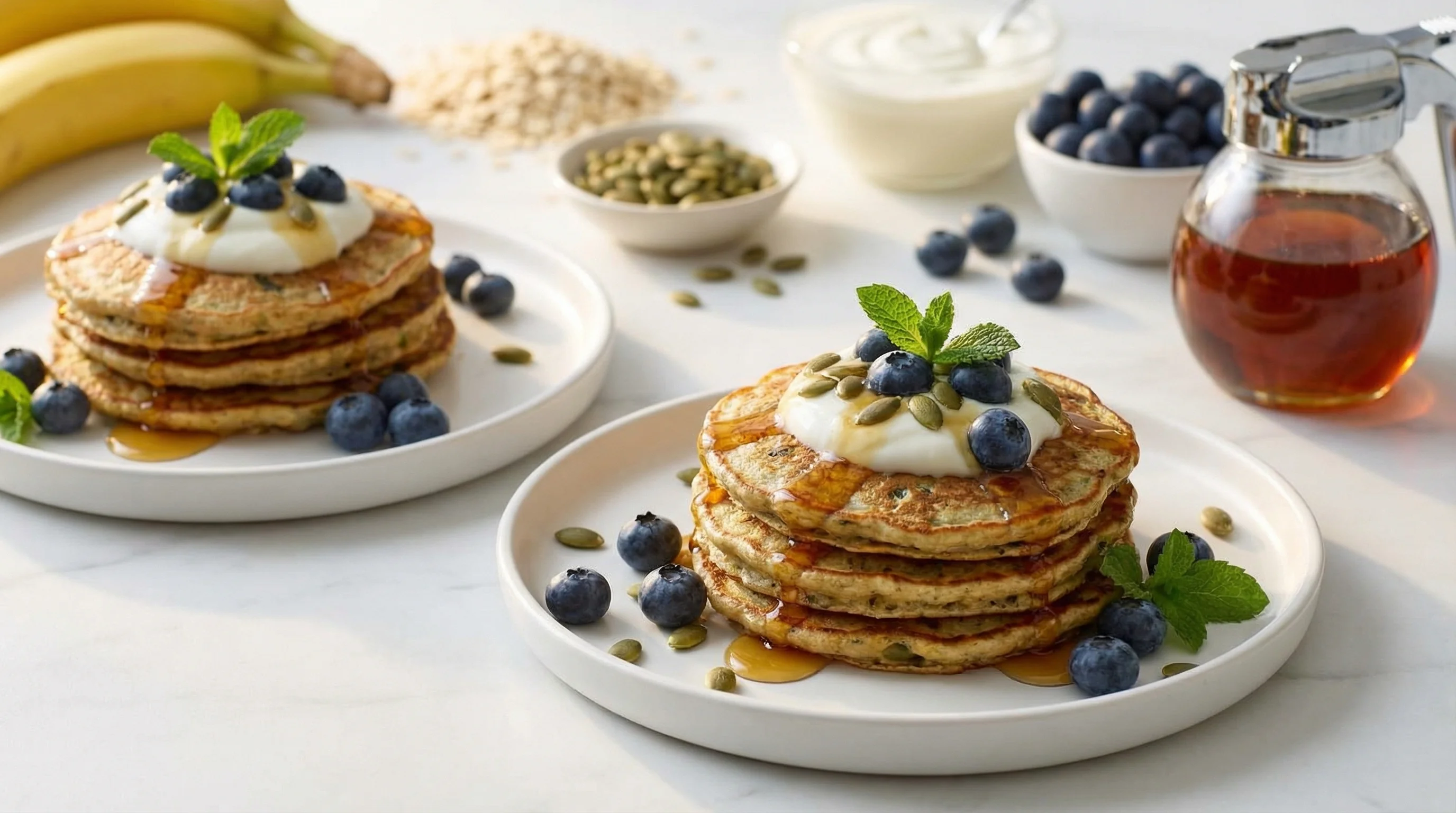
Pancake di Banana e Avena con Semi di Zucca (Low FODMAP)
Pancake naturalmente dolci preparati con banane acerbe, avena e semi di zucca creano una colazione amica dell'intestino che è al contempo nutriente e deliziosa.
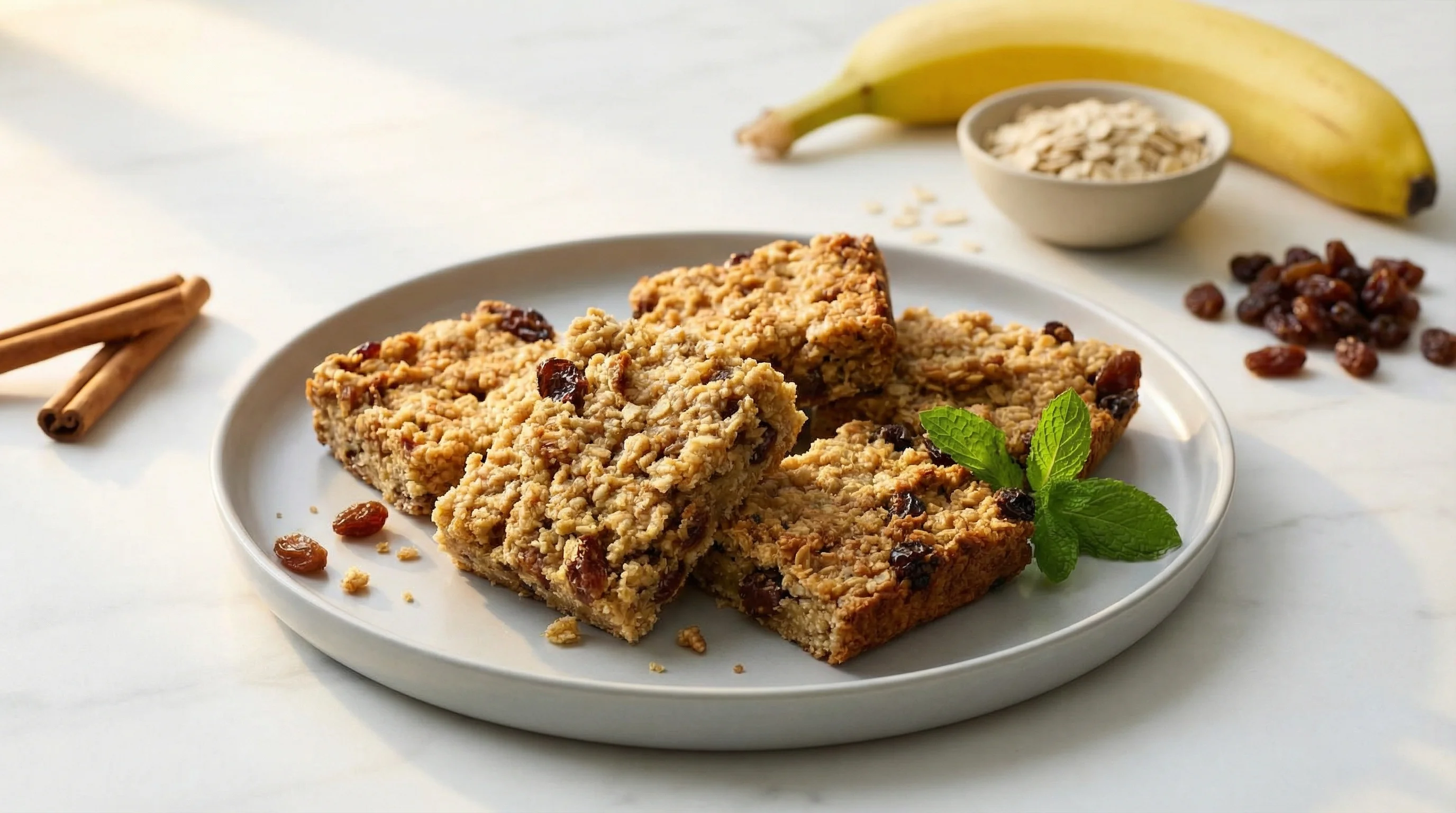
Barrette Energetiche Banana e Avena (Low FODMAP)
Barrette energetiche naturalmente dolci e morbide preparate con soli 5 ingredienti semplici. Perfette per uno spuntino adatto alla sindrome dell'intestino irritabile da portare sempre con te, senza zuccheri raffinati!