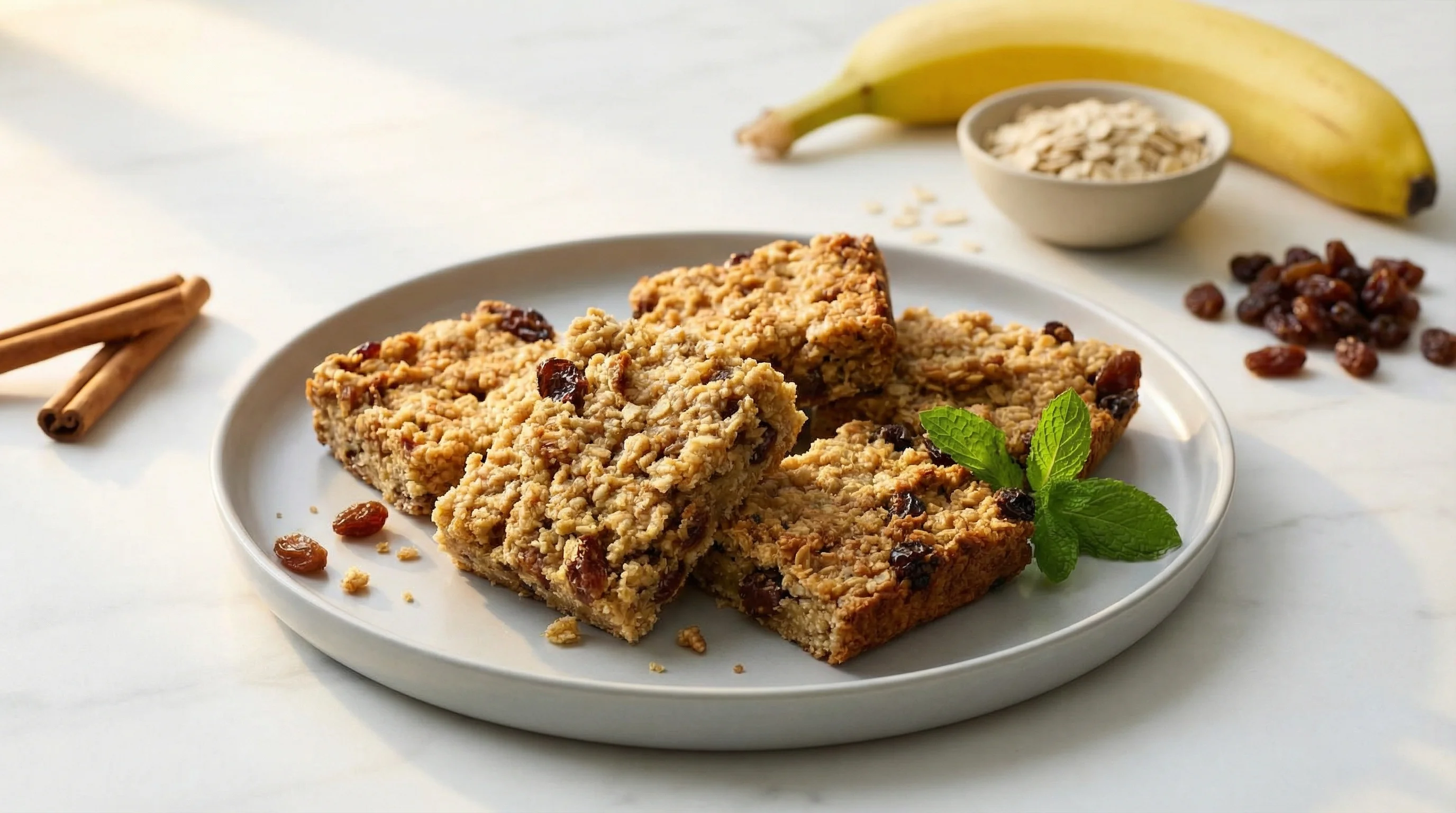
🥬 Sultanas
Sultanas, also known as golden raisins, are dried white grapes that have been treated with sulfur dioxide to preserve their light golden color. While these sweet, chewy dried fruits are popular in baking and snacking, they present challenges for those following a low FODMAP diet due to their concentrated fructose content. According to Monash University FODMAP research, sultanas are classified as HIGH FODMAP in all tested portions. The drying process concentrates the natural sugars found in grapes, particularly fructose, making even small amounts problematic for individuals with IBS or FODMAP sensitivities. A standard 13g serving (approximately 1 tablespoon) contains excess fructose that can trigger digestive symptoms including bloating, gas, and abdominal discomfort. The high FODMAP status of sultanas is primarily due to their fructose content, which exceeds glucose levels in the fruit. When fructose is present in higher amounts than glucose, it becomes difficult for the small intestine to absorb, leading to fermentation by gut bacteria and subsequent IBS symptoms. Additionally, sultanas may contain small amounts of fructans and GOS (galacto-oligosaccharides), further contributing to their FODMAP load. Despite their FODMAP concerns, sultanas do offer nutritional benefits when tolerated. They're rich in natural sugars for quick energy, contain dietary fiber, and provide minerals like potassium and iron. They also contain antioxidants, though in lower concentrations than fresh grapes. However, for those in the elimination phase of the low FODMAP diet, sultanas should be completely avoided. When cooking or baking, sultanas are traditionally used in fruit cakes, scones, trail mixes, and breakfast cereals. For low FODMAP alternatives, consider using small portions of dried cranberries (13g or 1 tablespoon), which are low FODMAP in limited amounts. Fresh grapes can also be enjoyed in low FODMAP portions (1 cup or 150g), providing similar sweetness without the concentrated fructose load. During the reintroduction phase, some individuals may find they can tolerate very small amounts of sultanas, but this varies greatly between individuals and should only be tested under guidance from a dietitian.
Porción segura
Not recommended - HIGH FODMAP in all tested portions (excess fructose)
🔬 Nota científica
Monash University testing shows sultanas are HIGH FODMAP due to excess fructose in all serving sizes. The drying process concentrates the natural fructose found in grapes, creating a fructose-to-glucose ratio that exceeds the small intestine's absorption capacity. Even a small 13g serving (approximately 1 tablespoon) contains enough excess fructose to trigger symptoms in most FODMAP-sensitive individuals. Sultanas should be avoided during the elimination phase and only cautiously tested during reintroduction under dietitian supervision.