🥬 Butternut Squash
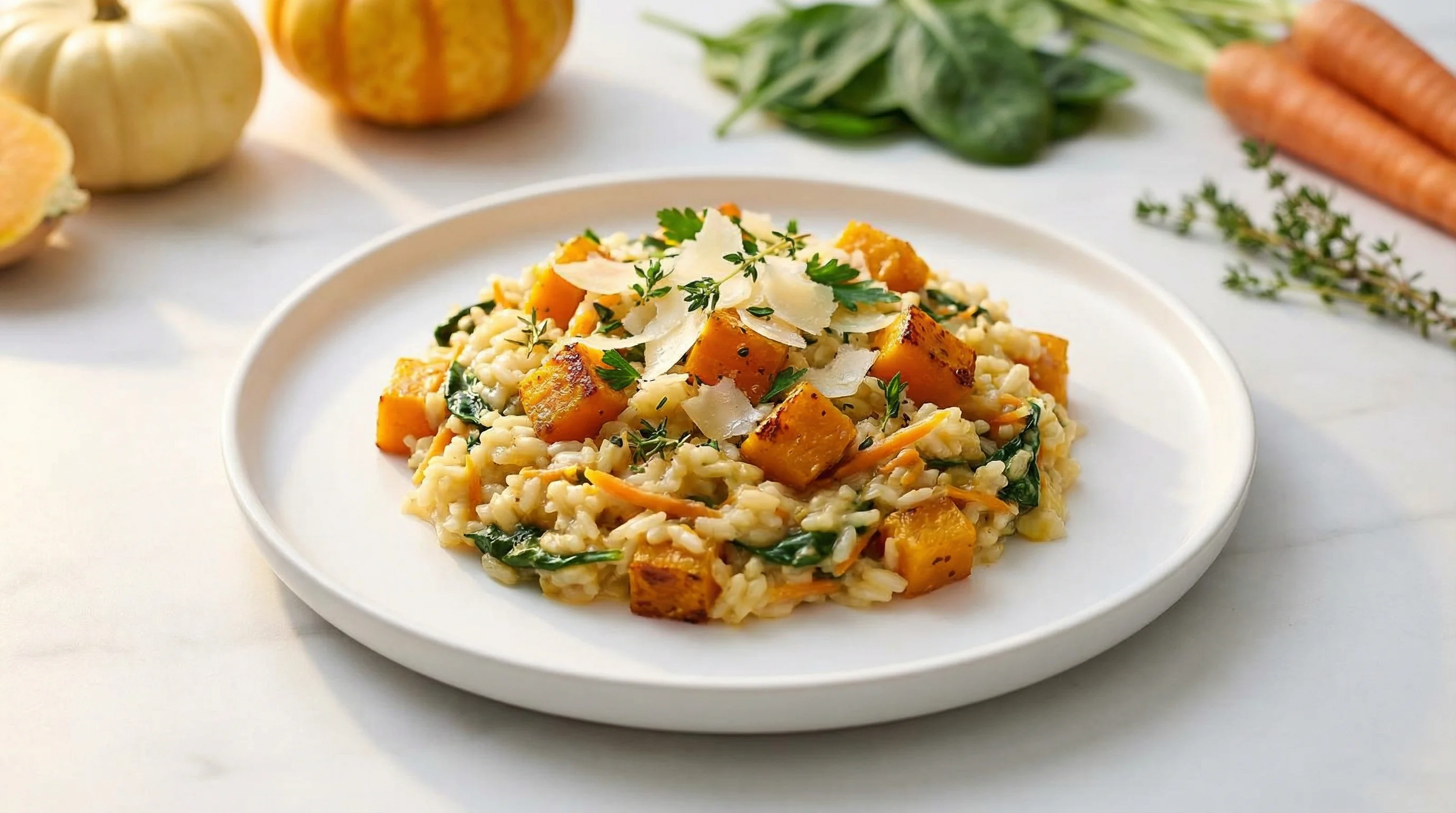
Butternut squash, also known as butternut pumpkin in some regions, is a winter squash variety with sweet, nutty flesh that's become a staple in low FODMAP cooking. This versatile vegetable features a distinctive pear shape with tan-yellow skin and vibrant orange flesh that becomes creamy and slightly sweet when cooked. From a FODMAP perspective, butternut squash is considered low FODMAP in controlled portions, making it an excellent choice for those following a gut-friendly diet. According to Monash University testing, butternut squash contains minimal amounts of FODMAPs when consumed in appropriate serving sizes. The flesh is naturally low in fructans, the primary FODMAP found in many vegetables, and contains negligible amounts of other FODMAP groups including lactose, fructose (in excess of glucose), galacto-oligosaccharides (GOS), and polyols. Nutritionally, butternut squash is a powerhouse for gut health and overall wellness. It's exceptionally rich in beta-carotene, which the body converts to vitamin A, supporting immune function and intestinal barrier health. A single serving provides substantial amounts of vitamin C, potassium, and magnesium, along with beneficial dietary fiber that supports healthy digestion without triggering FODMAP symptoms in appropriate portions. The soluble fiber in butternut squash can help feed beneficial gut bacteria while remaining gentle on sensitive digestive systems. When cooking with butternut squash, roasting is perhaps the most popular method, as it caramelizes the natural sugars and intensifies the sweet, nutty flavor. Simply cube the flesh, toss with a low FODMAP oil like garlic-infused olive oil, and roast at 400°F (200°C) until golden and tender. Butternut squash puree works beautifully in soups, sauces, and even baked goods, adding moisture and natural sweetness without FODMAPs. Steaming or boiling are gentler cooking methods that preserve more nutrients while creating a softer texture ideal for mashing. The squash can be enjoyed in various forms: cubed in salads and grain bowls, diced in stir-fries, spiralized into noodles, or pureed into creamy soups. Its mild sweetness pairs wonderfully with warming spices like cinnamon, nutmeg, and ginger (in low FODMAP amounts), as well as savory herbs like sage, thyme, and rosemary. For meal prep enthusiasts, roasted butternut squash cubes freeze exceptionally well, making it easy to have this nutritious, low FODMAP vegetable on hand for quick weeknight meals.
Porción segura
¼ cup (45g) of cubed butternut squash per serving
🔬 Nota científica
Monash University has tested butternut squash and confirmed it as low FODMAP at ¼ cup (45g) servings. At this portion size, butternut squash contains minimal FODMAPs across all categories. Moderate FODMAP amounts appear at ½ cup (75g) servings, where small amounts of fructans begin to accumulate. Portions of ¾ cup (113g) or larger are considered high FODMAP due to increased fructan content. The FODMAP content doesn't significantly change with cooking method—whether roasted, steamed, boiled, or pureed, the same portion guidelines apply. However, concentrated forms like butternut squash puree should be measured carefully, as it's easy to consume larger amounts. The low FODMAP status makes butternut squash one of the safest winter squash options during the elimination phase, unlike some pumpkin varieties that have higher FODMAP loads at smaller portions.