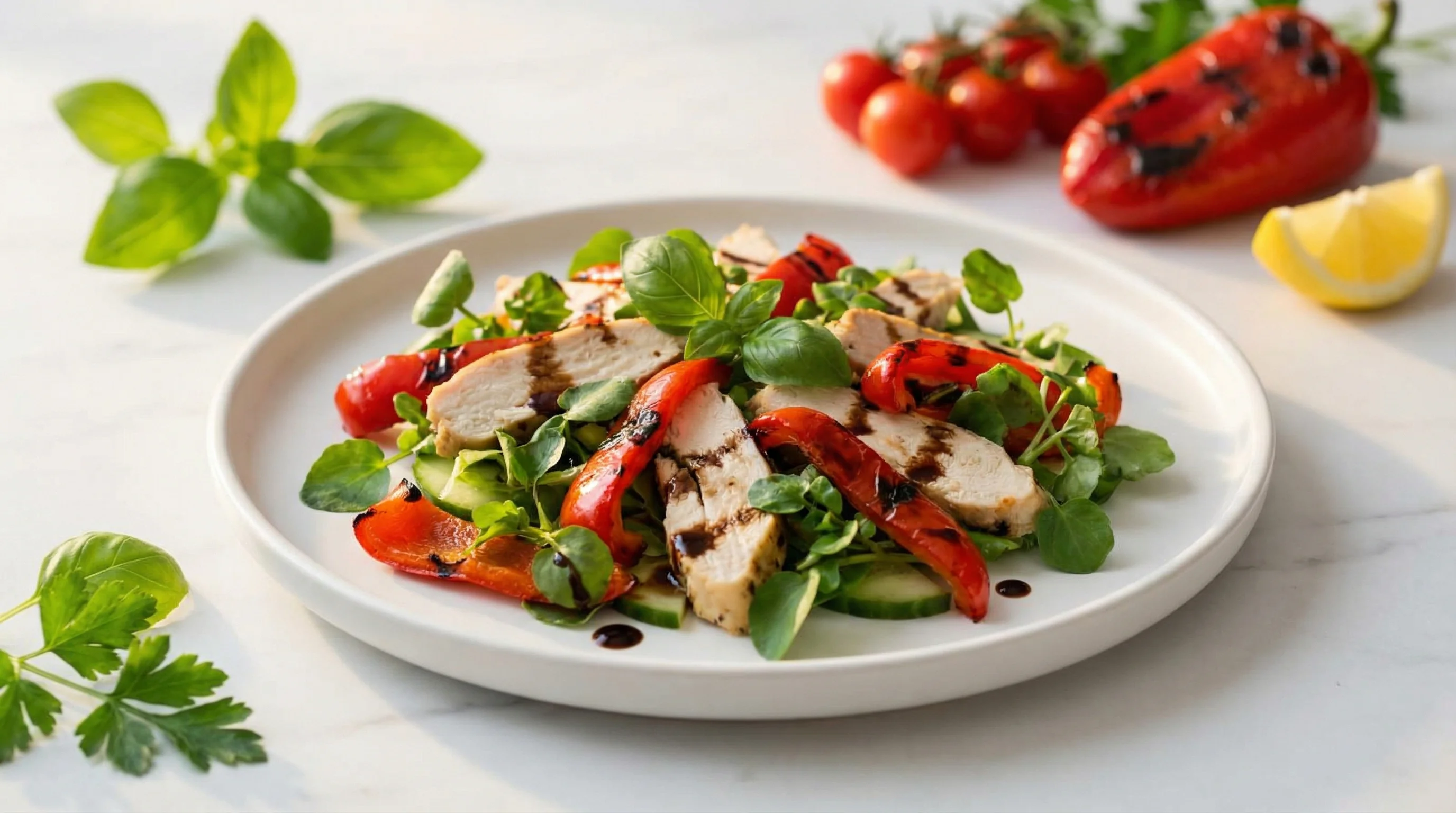
🥬 Watercress
Watercress is a peppery, nutrient-dense leafy green that's naturally low in FODMAPs and excellent for those following a gut-friendly diet. This aquatic plant belongs to the Brassicaceae family, alongside other cruciferous vegetables like kale and arugula, and offers a distinctive sharp, slightly spicy flavor that adds complexity to salads, sandwiches, and cooked dishes. From a FODMAP perspective, watercress is considered a safe choice with no serving size restrictions according to Monash University testing. Unlike some cruciferous vegetables that contain problematic oligosaccharides, watercress remains low in fermentable carbohydrates even in larger portions. This makes it an ideal base for salads or a generous addition to meals without triggering digestive symptoms. Nutritionally, watercress is a powerhouse that supports overall gut health and wellbeing. It's exceptionally rich in vitamins K, C, and A, providing anti-inflammatory benefits that may help soothe the digestive tract. The high vitamin C content supports immune function, which is particularly important for those with IBS whose gut-immune axis may be compromised. Watercress also contains beneficial phytonutrients including glucosinolates, which have been studied for their potential anti-cancer properties and digestive support. The mineral content of watercress is equally impressive, offering calcium, iron, and magnesium—minerals that can sometimes be lacking in restricted diets. The iron content is particularly valuable for those who may have experienced nutrient malabsorption due to digestive issues. Additionally, watercress provides dietary nitrates that support cardiovascular health and may improve blood flow to the digestive organs. When selecting watercress, look for vibrant green leaves with no yellowing or wilting. Fresh watercress should have a crisp texture and aromatic peppery scent. Baby watercress tends to be milder and more tender, making it perfect for raw applications, while mature watercress can handle light cooking. Store watercress with stems in water like a bouquet, covered loosely with a plastic bag in the refrigerator, where it will keep for 3-4 days. In the kitchen, watercress's versatility shines. Use it raw in salads, blend it into low FODMAP pesto, add it to sandwiches for a peppery kick, or wilt it into soups and stir-fries during the last minute of cooking. The slight bitterness pairs beautifully with citrus, nuts, and aged cheeses, all of which can be incorporated into a low FODMAP diet in appropriate portions.
Safe Portion
No serving size limit - watercress is low FODMAP in all tested portions
🔬 Science Note
Monash University has tested watercress and confirmed it as low in all FODMAP categories (fructans, GOS, lactose, fructose, and polyols) with no upper limit identified. Unlike some cruciferous vegetables that contain oligosaccharides, watercress remains well-tolerated even in generous servings. The vegetable's high water content (approximately 95%) means it contains minimal fermentable carbohydrates per volume, making it an excellent choice for adding bulk and nutrition to meals without FODMAP concerns. Its glucosinolate compounds, while beneficial, are not FODMAPs and don't contribute to fermentation in the gut.