🥬 Tamari
Tamari is a Japanese-style soy sauce that has become a staple in low FODMAP cooking due to its naturally gluten-free composition and rich umami flavor. Unlike traditional soy sauce, which is typically made with wheat, authentic tamari is produced primarily or exclusively from fermented soybeans, making it suitable for those avoiding gluten and following a low FODMAP diet. This dark, savory condiment originated as a byproduct of miso paste production and has a deeper, more complex flavor profile than conventional soy sauce. The fermentation process breaks down the proteins in soybeans into amino acids, creating that characteristic umami taste without introducing high FODMAP ingredients. Tamari's smooth, less salty flavor makes it an excellent choice for marinades, stir-fries, dipping sauces, and salad dressings. From a FODMAP perspective, tamari is considered low FODMAP in typical serving sizes because the fermentation process significantly reduces oligosaccharides (GOS) that would otherwise be present in whole soybeans. The liquid nature of tamari means you're consuming minimal amounts of the actual soybean solids, which is where FODMAPs concentrate. However, it's crucial to verify that your tamari is truly gluten-free, as some brands may contain wheat, which would introduce fructans and make it unsuitable for a low FODMAP diet. Nutritionally, tamari provides essential amino acids and is a good source of protein, though in small quantities given typical usage amounts. It contains minerals like manganese, iron, and phosphorus, along with B vitamins from the fermentation process. The fermented nature of tamari may also provide some probiotic benefits, though most commercial varieties are pasteurized. With approximately 1000mg of sodium per tablespoon, tamari should be used mindfully, especially for those monitoring salt intake. When cooking with tamari, start with small amounts and adjust to taste, as its concentrated flavor goes a long way. It's heat-stable and can be added at any stage of cooking, though adding it near the end preserves its complex flavor notes. Store tamari in a cool, dark place or refrigerate after opening to maintain freshness. Always check labels to ensure your tamari is certified gluten-free and doesn't contain added ingredients like garlic or onion, which would make it high FODMAP.
Porzione sicura
2 tablespoons (30ml) per serving
🔬 Nota scientifica
Tamari is low FODMAP because the fermentation process breaks down oligosaccharides (GOS) naturally present in soybeans. According to Monash University testing, wheat-free tamari is low FODMAP in servings up to 2 tablespoons (30ml). The liquid form means minimal soybean solids are consumed, keeping FODMAP content low. However, traditional soy sauce containing wheat is high FODMAP due to fructans from wheat, so always choose certified gluten-free tamari. The fermentation process converts complex carbohydrates into simpler compounds, making tamari well-tolerated by most people with IBS. Be cautious of flavored varieties that may contain high FODMAP ingredients like garlic or onion powder.
Alternative Low FODMAP
Ricette con Tamari
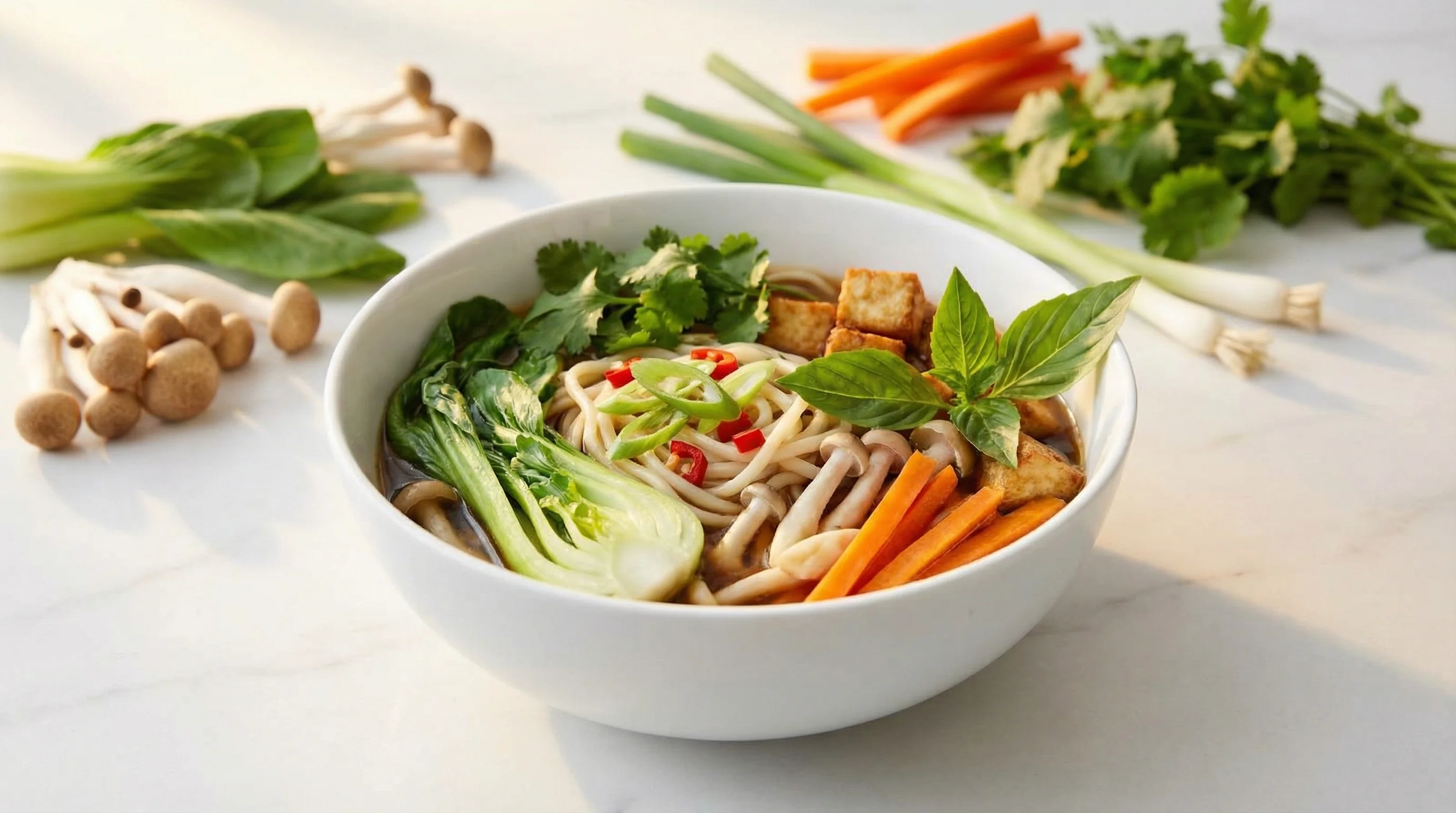
Ramen Umami al Miso con Tofu Croccante (Low FODMAP)
Una ciotola di ramen giapponese ricca di sapore umami, tofu croccante e verdure tenere—pronta in 30 minuti e completamente amica dell'intestino.
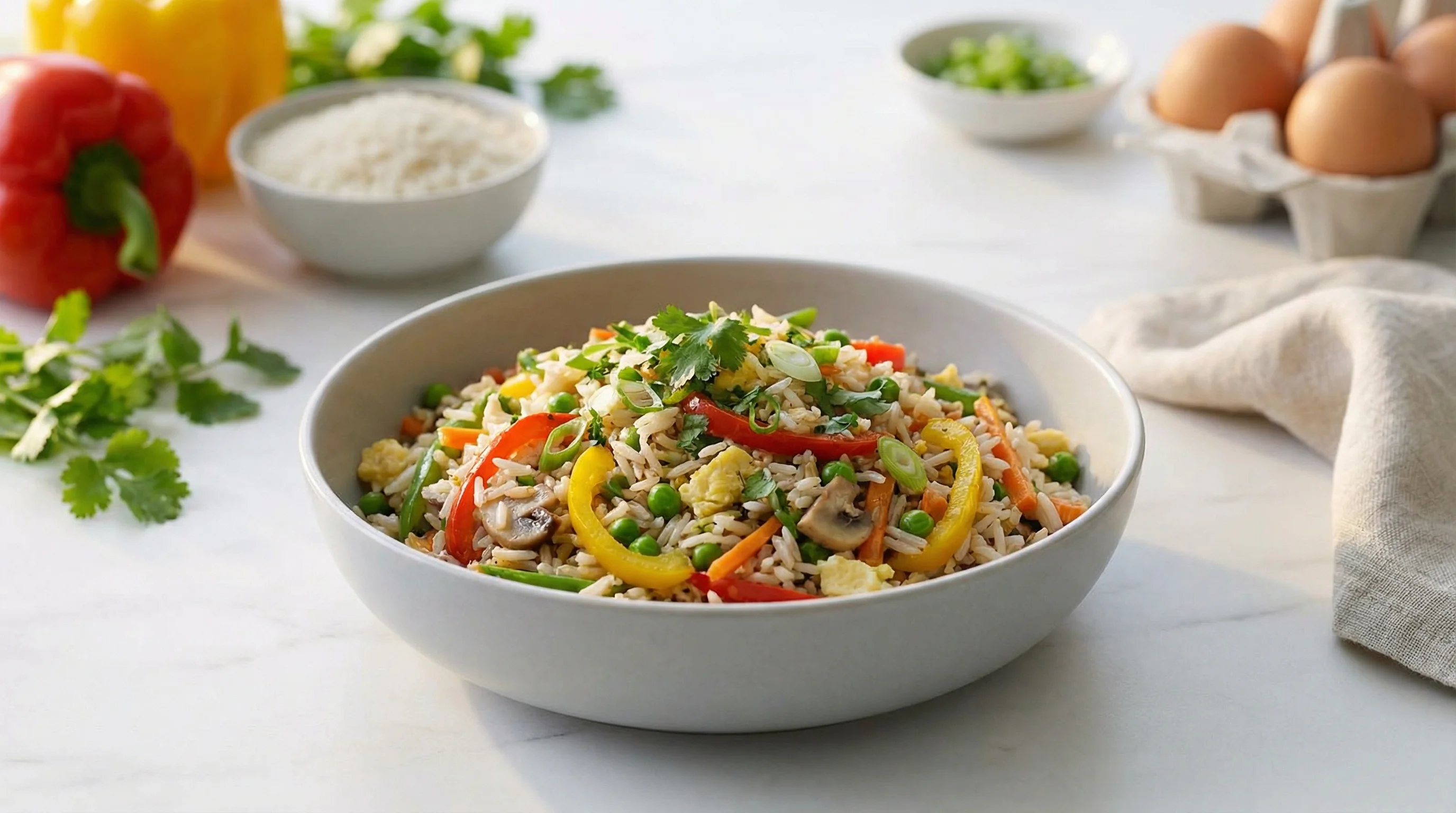
Riso Fritto con Uova e Verdure Arcobaleno (Low FODMAP)
Riso fritto ricco di verdure colorate pronto in 30 minuti. Un piatto da asporto amico dell'intestino, più fresco, più sano e più delicato sul sistema digestivo.